When July and August bring soaring temperatures to Westchester County, New York, the need for fresh water becomes a top priority for every animal in the household. Whether you keep a rabbit, a parrot, a bearded dragon, or any other non‑traditional companion, adequate hydration supports the same essential processes that keep humans healthy: temperature regulation, waste elimination, and nutrient transport. Ignoring these needs can quickly turn a mild heat wave into a serious health crisis for your exotic pet.
Core Functions of Water in an Exotic Animal’s Body
Water is the medium through which most physiological reactions occur. In reptiles, birds, and small mammals, it helps:
- Thermoregulation: Evaporation from the skin, mouth, or respiratory surfaces dissipates excess heat. In a hot Westchester backyard, this mechanism is often the difference between comfort and overheating.
- Kidney and liver filtration: Proper hydration enables the kidneys to concentrate urine and the liver to process toxins efficiently, reducing the risk of urinary stones or liver strain.
- Nutrient absorption: Digestive enzymes work best in a moist environment, allowing vitamins, minerals, and proteins to be absorbed into the bloodstream.
Species‑Specific Hydration Strategies
Not all exotic pets drink water the same way. Understanding these differences helps you provide the most effective source of moisture.
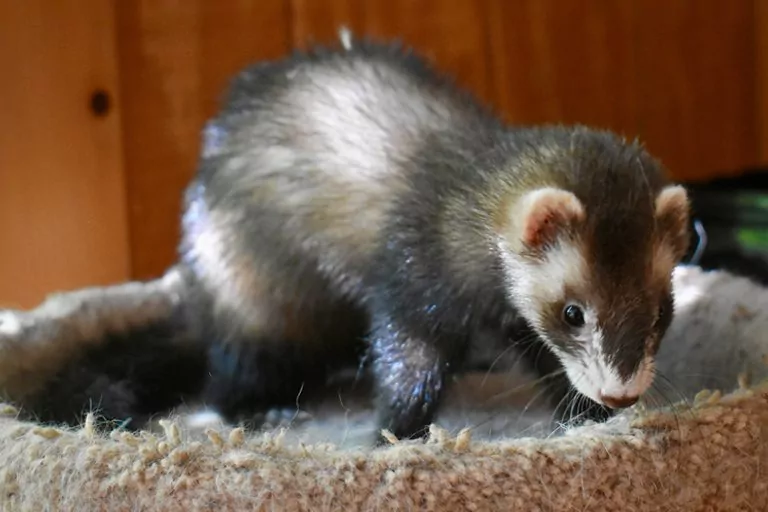
Furry Pets (Rabbits, Guinea Pigs, Ferrets)
These mammals typically drink from a bowl, but they also obtain moisture from leafy greens and fresh vegetables. In summer, increase the proportion of water‑rich foods such as romaine lettuce, cucumber, and bell pepper, while ensuring the water bowl is never empty or contaminated.
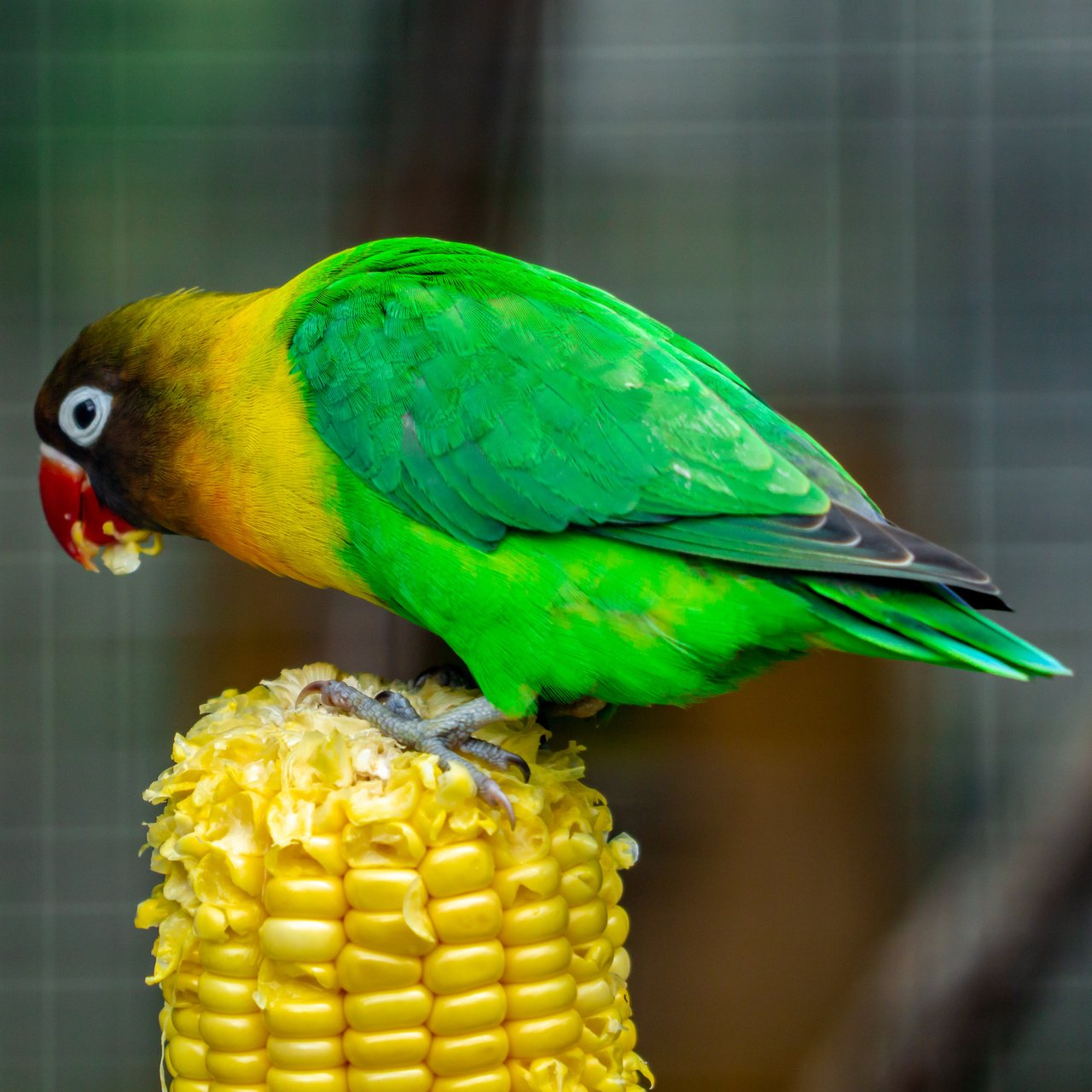
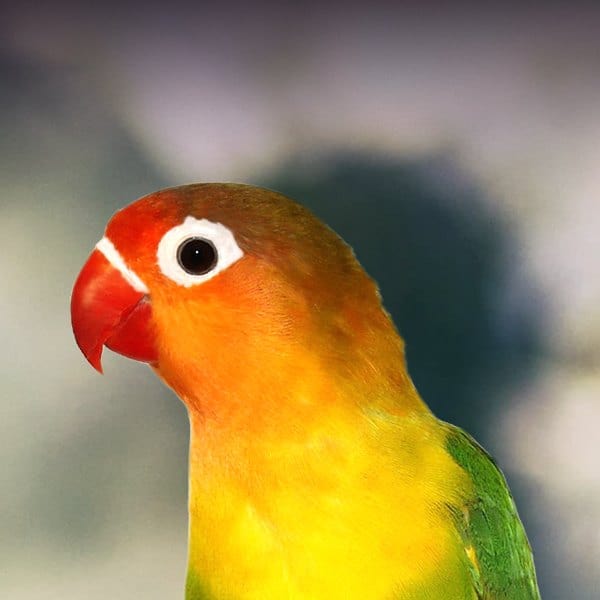
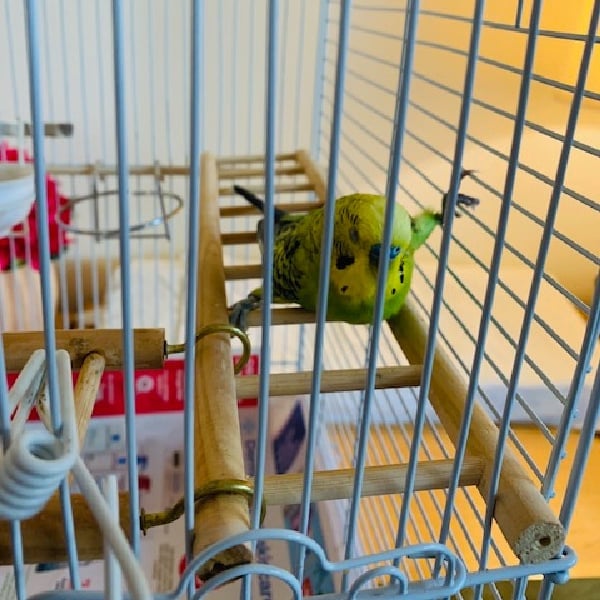
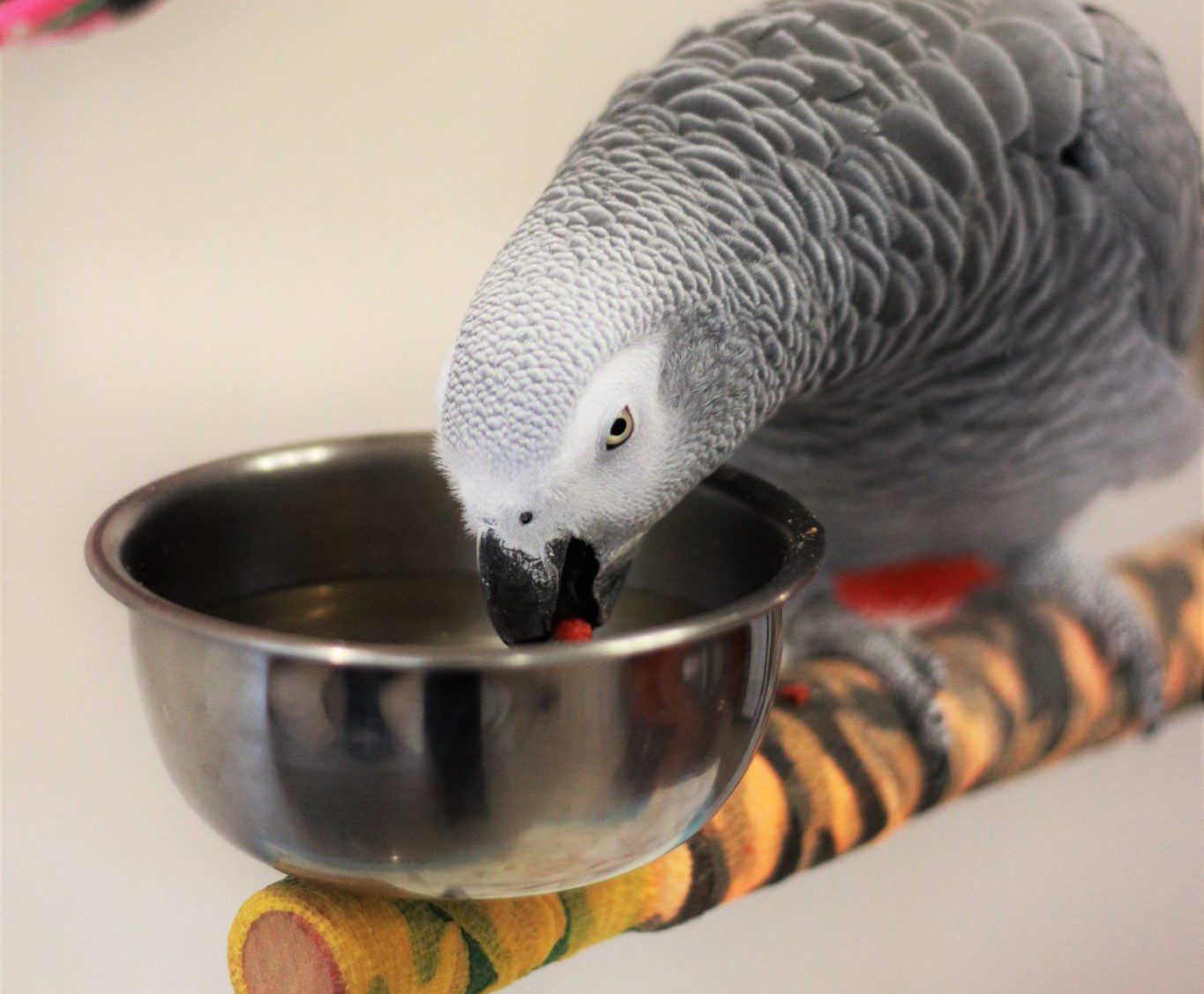
Feathered Pets (Parrots, Cockatiels, Budgerigars)
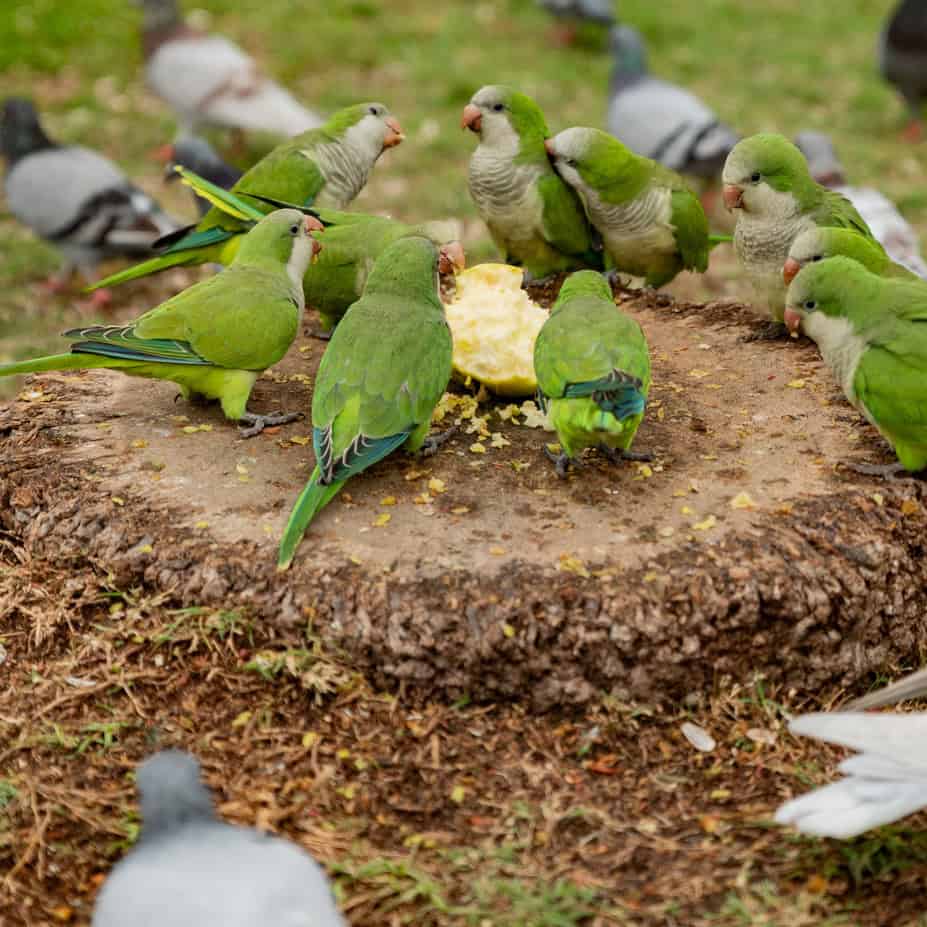
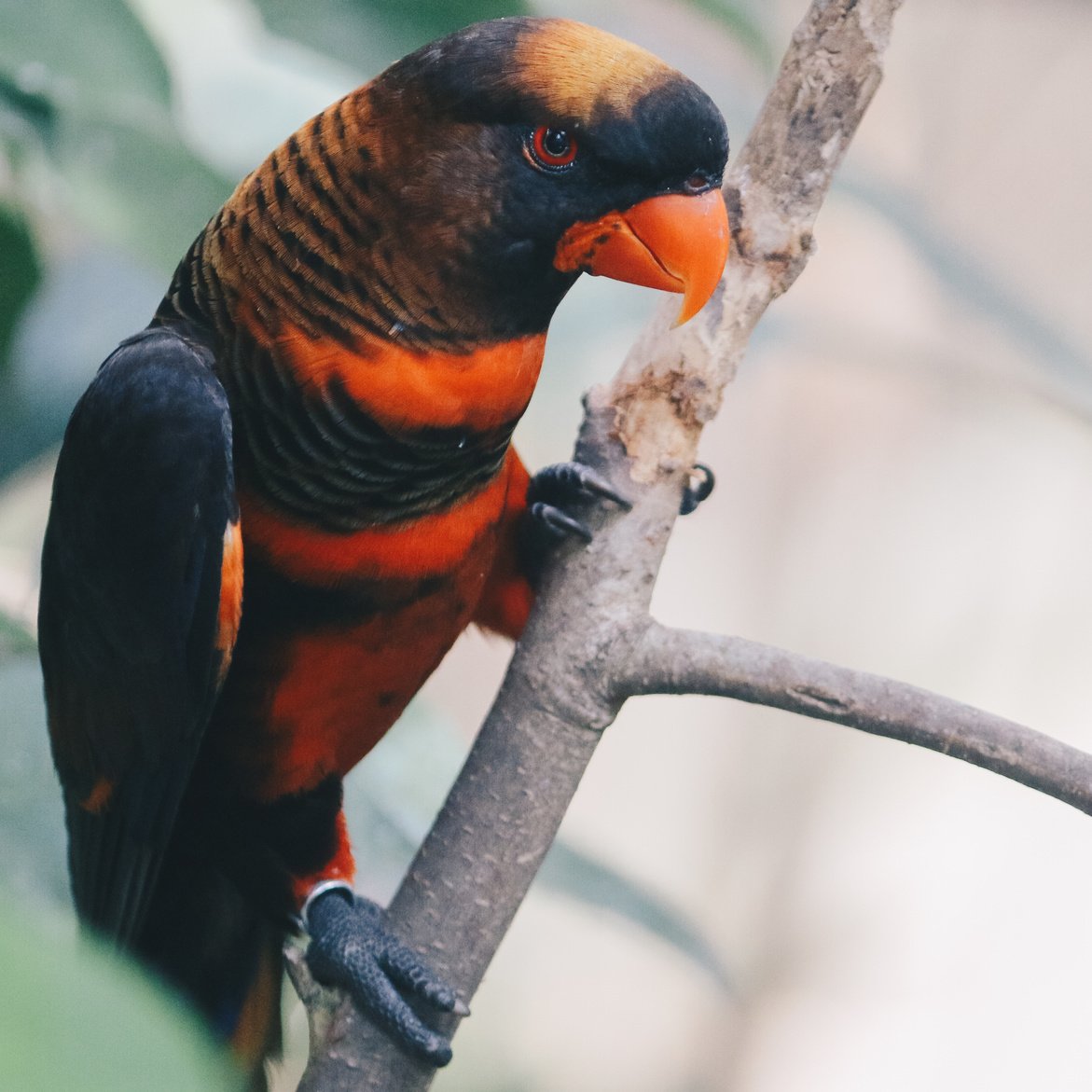
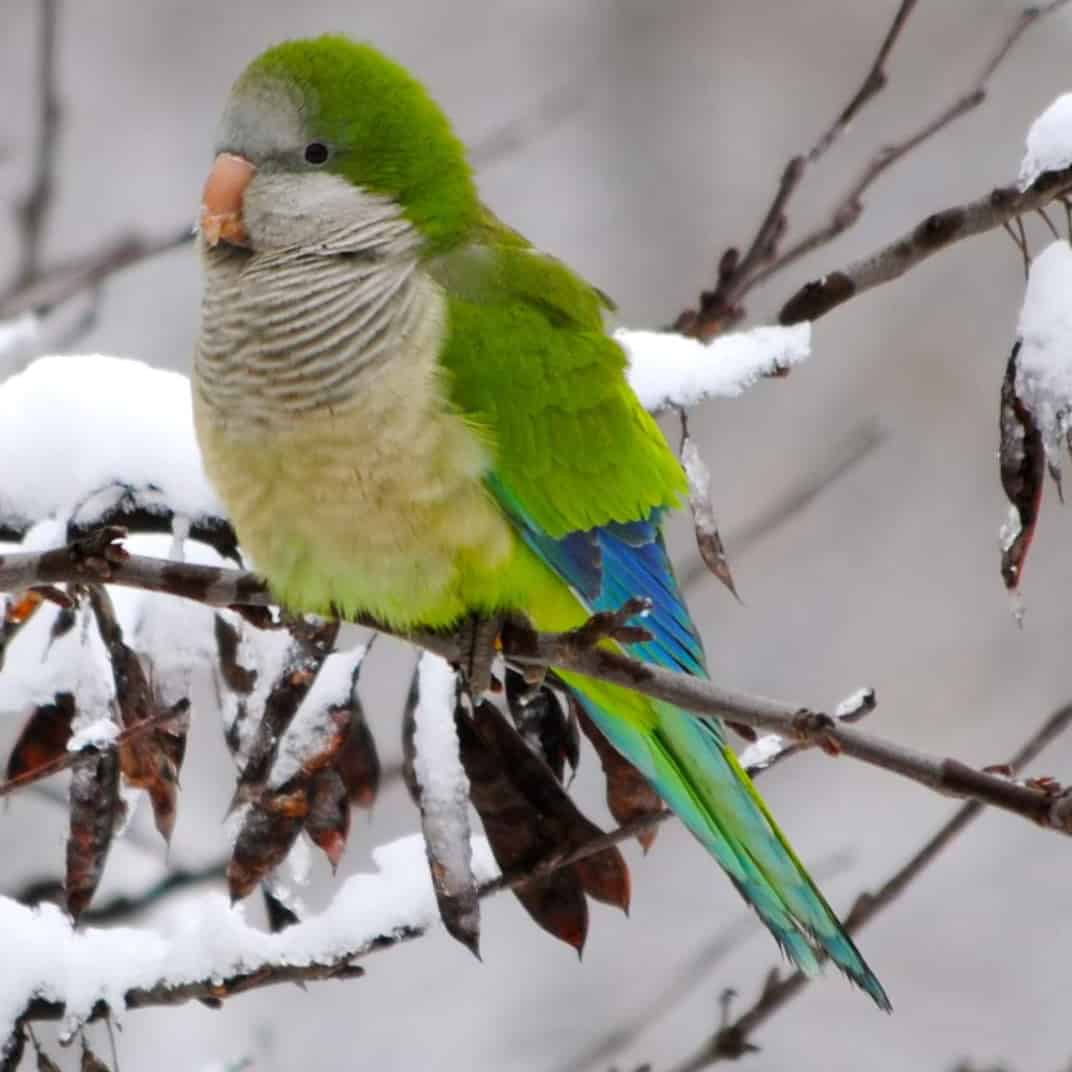
Birds rely on both drinking and bathing. A shallow dish or a drip system mimics natural rain, encouraging frequent sipping. Additionally, providing a misting spray or a bird‑safe bath once or twice daily helps them replenish water through their skin and feathers.
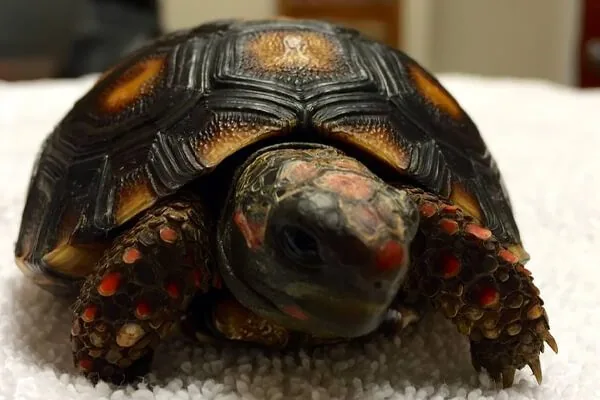
Scaly Pets (Bearded Dragons, Leopard Geckos, Tortoises)
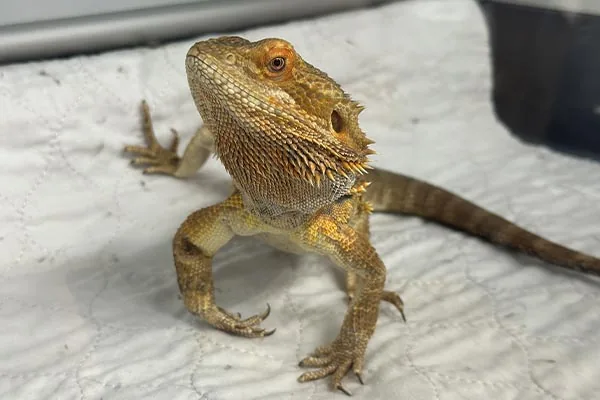
Reptiles often obtain moisture from their diet, but many still need a separate water source. Some species will lick droplets from the enclosure walls, while others prefer a shallow dish they can soak in. For desert‑adapted reptiles, misting the substrate lightly each morning can supply the needed humidity without creating a constantly wet environment.
Recognizing Early Signs of Dehydration
Prompt detection is essential, especially during heat spikes. Look for:
- Sunken eyes or a dull, glazed appearance.
- Reduced activity, lethargy, or hiding more than usual.
- Sticky or tacky skin in reptiles, and dry, flaky feathers in birds.
- Weight loss or a noticeable decrease in body mass over a few days.
- Thick, concentrated urine in mammals or a lack of urination in reptiles.
If any of these symptoms appear, increase water availability immediately and monitor closely.
Practical Tips for Maintaining Hydration in Westchester Summers
- Multiple Water Stations: Place at least two fresh‑water sources in each enclosure. This reduces competition and ensures that a knocked‑over bowl does not leave the pet without water.
- Cool Water: Fill bowls with refrigerated water in the morning. Cool (not icy) water is more appealing during hot weather.
- Shade and Ventilation: Position enclosures away from direct afternoon sun. Use mesh covers, fans, or evaporative coolers to keep ambient temperature within the species’ comfort range.
- Regular Cleaning: Change water at least twice daily to prevent bacterial growth, which can deter pets from drinking.
- Hydrating Foods: Offer water‑rich fruits (melon, strawberries) and vegetables daily. For reptiles, consider misting greens or feeding pre‑soaked insects.
- Monitor Humidity: Use a hygrometer for birds and reptiles. Aim for 40‑60% relative humidity for most pet birds and 30‑50% for desert reptiles.
Seasonal Adjustments for Year‑Round Care
While summer demands extra vigilance, hydration remains important year‑round. In cooler months, water may become stale more quickly, and some pets reduce their intake. Keep bowls clean and consider a heated water dish for species that prefer warm water in winter.
When to Call a Veterinarian
If a pet shows persistent signs of dehydration despite increased water access—such as ongoing lethargy, loss of appetite, or abnormal droppings—schedule a veterinary appointment promptly. Dehydration can mask underlying illnesses like respiratory infections, kidney disease, or metabolic disorders that require professional treatment.
Conclusion
Westchester County’s summer heat presents a clear challenge, but with proactive water management, you can keep your exotic companion thriving.
avianexoticsvet.com