
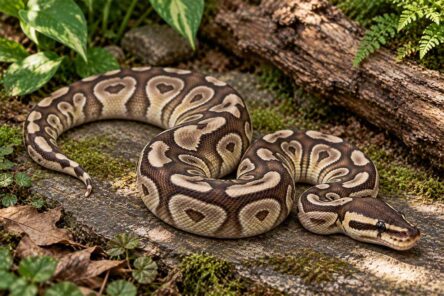
Ball pythons (Python regius) are famous for the astonishing variety of colors and patterns that hobbyists call “morphs.” While the visual diversity is eye‑catching, the underlying genetics are what determine whether a particular trait appears, how it can be passed on, and what health considerations may accompany it. Knowing the basics of morph genetics helps owners make informed decisions, avoid unintended problems, and contribute to a healthier breeding community.
What Is a Morph?
A morph is any heritable variation in color, pattern, or both. Each morph originates from a mutation in a specific gene. Common examples include Albino (loss of melanin), Piebald (patches of unpigmented skin), and Clown (altered pattern). A single snake can carry several morphs simultaneously, and breeders often combine them to create new, striking appearances.
Genes, Alleles, and Their Relationship to Morphs
In genetics, a geneis a location on a chromosome that holds the instructions for a particular trait. An alleleis one version of those instructions. The visual expression of an allele is what hobbyists recognize as a morph. For instance, the Mojave and Lesser morphs are different alleles of the same gene; each allele produces a distinct look, but they occupy the same genetic spot.
Understanding whether two morphs share a gene is essential for breeding. Pairing two snakes that carry different alleles of the same gene can produce offspring with a phenotype that differs from either parent, while also influencing the likelihood of certain health issues.
Dominant vs. Recessive Mutations
Every ball python receives two copies of each gene—one from each parent. How those copies interact determines whether a trait is visible.
- Dominant mutationsrequire only a single copy to be expressed. The Pinstripe morph is a classic dominant trait; both heterozygous (one copy) and homozygous (two copies) snakes display the pinstripe pattern.
- Recessive mutationsneed two copies, one from each parent, to appear. A snake with a single recessive allele looks normal but can pass the hidden gene to its offspring. When two carriers are bred, some hatchlings may inherit two copies and exhibit the recessive morph.
Because many snakes carry multiple genes, a single clutch can contain a mix of normal, heterozygous, and homozygous individuals, resulting in a variety of morphs from the same pairing.
Polygenic Traits: When More Than One Gene Is Involved
Not all traits follow a simple one‑gene rule. Polygenic traits, such as Genetic Black Back and Genetic Reduced, require several genes to align before the characteristic becomes visible. These traits are rarer and harder to predict, demanding meticulous record‑keeping and patience from breeders.
Historical Roots of Ball Python Morphs
The first recognized morphs appeared in the early 1990s, when collectors noticed unusually colored or patterned individuals among wild‑caught or farm‑raised snakes from Africa. Those founders formed the basis for the modern breeding programs that have since produced thousands of distinct combinations—more than any other animal in the pet trade.
Health and Behavioral Concerns Linked to Specific Genes
While many morphs are purely aesthetic, some genetic lines are associated with undesirable traits. Documented issues include:
- The “wobble” – a neurological gait abnormality.
- Eye defects such as cataracts or retinal degeneration.
- Spinal kinking, which can affect movement.
- Reduced female fertility in certain lines.
- Skewed sex ratios or lethal gene combinations that result in non‑viable offspring.
These concerns do not affect every morph, but they underscore the importance of researching each line before purchase or breeding.
Genetic Testing: Confirming What Your Snake Carries
Visual identification can be misleading, especially when different morphs look similar or when a snake carries hidden recessive alleles. DNA testing provides a definitive answer about which alleles are present, allowing owners to plan pairings with confidence and avoid unexpected outcomes.
Guidelines for Buyers and Breeders
- Learn the basics.Know whether a morph is dominant or recessive and whether it shares a gene with other morphs.
- Research health associations.Ask sellers about any documented wobble, eye, or fertility issues linked to the morph.
- Buy from reputable sources.Ethical breeders keep detailed genetic records and are transparent about the lineage of each snake.
- Consider testing.When possible, obtain a genetic test to verify hidden alleles before committing to a breeding program.
- Plan pairings deliberately.Use knowledge of dominant,


0 comments:
Post a Comment