
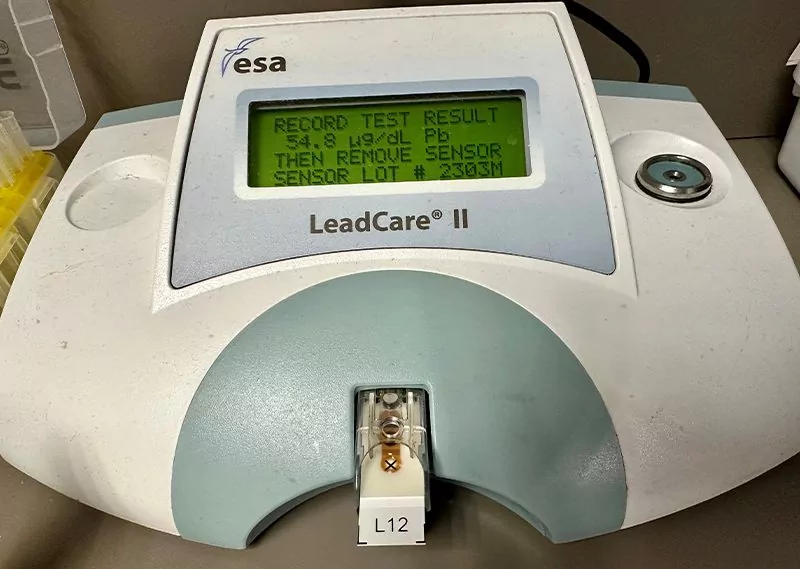
Lead is a heavy metal that can be deadly to many species, including the wide range of birds, reptiles, small mammals, and amphibians kept as exotic pets. While most owners associate lead poisoning with humans or traditional livestock, the risk is just as real for feathered, scaled, and furred companions. Recognizing the sources, clinical signs, and steps for treatment can protect your pet’s health and save lives.
Why Lead Is Dangerous
When ingested or inhaled, lead interferes with the normal function of enzymes that require calcium or zinc. This disruption affects the nervous, hematologic, renal, and gastrointestinal systems. In exotic animals, the metabolic pathways for detoxifying heavy metals are often less efficient than in mammals, making them especially vulnerable.
Common Sources of Lead Exposure
- Paint and coatings: Older homes and enclosures may still have lead‑based paint. Flaking paint can be chewed or inhaled by curious pets.
- Metal hardware: Screws, nails, and cage fittings made from leaded alloys can leach metal, especially in humid environments.
- Contaminated food or water: Feed stored in metal containers, or water bowls with lead solder, can introduce low‑level exposure over time.
- Environmental debris: Dust from construction sites, old batteries, or contaminated soil can be ingested during foraging.
- Lead‑based ammunition or fishing tackle: Birds of prey and some reptile species may encounter lead fragments if they scavenge or hunt in areas where hunters practice.
Species‑Specific Sensitivities
While all exotic pets can be affected, certain groups show heightened sensitivity:
- Parrots and other psittacines: Their beaks are designed for gnawing, making them prone to ingesting paint chips or metal parts.
- Reptiles (turtles, snakes, lizards): Many species absorb contaminants through their skin and via the substrate they walk on.
- Small mammals (ferrets, hedgehogs, sugar gliders): Their rapid metabolism can accelerate the onset of clinical signs.
- Amphibians: Their permeable skin makes them especially vulnerable to waterborne lead.
Early Clinical Signs to Watch For
Lead toxicity often begins with subtle changes that can be mistaken for other illnesses. Keep an eye out for the following symptoms, which may appear gradually or suddenly depending on exposure level:
- Lack of coordination or wobbliness (ataxia)
- Lethargy and reduced activity
- Unexplained weight loss
- Regurgitation or vomiting, especially after meals
- Diarrhea or soft stools
- Decreased appetite or refusal to eat
- Abnormal droppings (e.g., pale or blood‑tinged)
If left untreated, the condition can progress to anemia, seizures, organ failure, and death.
Diagnostic Approach
When lead poisoning is suspected, a veterinarian experienced with exotic species will typically:
- Perform a thorough physical exam, noting any neurological or gastrointestinal abnormalities.
- Collect blood samples for a lead concentration test (often measured in µg/dL). Values above 20 µg/dL in birds or reptiles are generally considered elevated.
- Run a complete blood count (CBC) to assess anemia and white‑blood‑cell changes.
- Evaluate kidney and liver function through biochemical panels, as these organs help process toxins.
- Consider radiographs or ultrasound if organ damage is suspected.
Treatment Options
Effective treatment combines immediate medical intervention with long‑term environmental changes:
- Chelation therapy: Medications such as calcium disodium EDTA or D‑penicillamine bind to lead, allowing it to be excreted in the urine. Dosage must be carefully calculated for each species.
- Supportive care: Fluid therapy, nutritional supplements, and antioxidants (e.g., vitamin C) help mitigate organ damage.
- Blood transfusions: In severe anemia, a transfusion may be necessary to restore oxygen‑carrying capacity.
- Environmental remediation: Remove or replace any lead‑containing materials in the pet’s habitat. Use stainless steel, ceramic, or lead‑free plastics for cages, perches, and water dishes.
Follow‑up blood tests are essential to confirm that lead levels are decreasing and to adjust treatment as needed.
Prevention Strategies for Owners
Prevention is far simpler—and less costly—than treatment. Adopt these habits to keep your exotic pet safe:
- Inspect enclosures for peeling paint or rusted metal. Replace suspect items with safe alternatives.
- Store food in glass or high‑quality plastic containers; avoid metal cans with lead solder.
- Provide fresh, filtered water daily. Change water bowls regularly to prevent biofilm buildup.
- Avoid using lead‑based ammunition or fishing tackle in areas where free‑ranging birds or reptiles may hunt.
- Wash hands and clean tools after any home renovation or gardening work that could generate lead dust.
- Schedule regular wellness exams with an exotic‑pet veterinarian, especially if your pet lives in an
avianexoticsvet.com


0 comments:
Post a Comment