
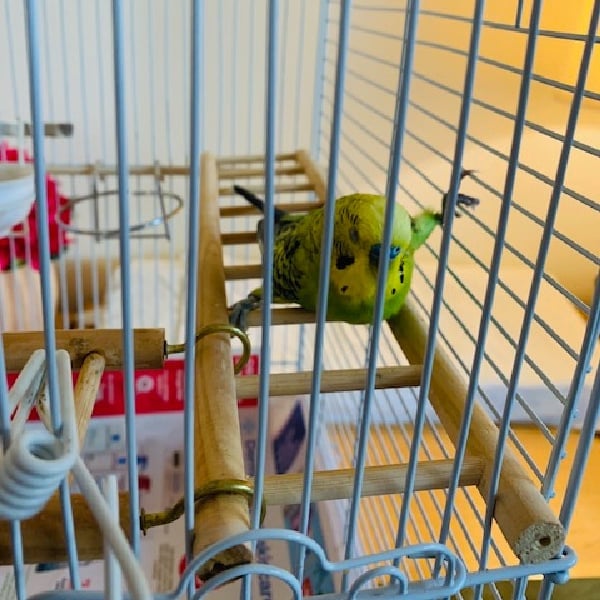
Budgerigars (Melopsittacus undulatus) are small, active parrots that thrive when their environment mimics natural perches and flight space. One detail that often sparks debate among new owners is the direction of the vertical bars in a cage. Are the bars supposed to face the bird, the owner, or does the orientation matter at all? This guide separates common myths from scientific observations and offers practical steps to create a comfortable, safe cage regardless of bar direction.
Why Bar Orientation Gets Mentioned
Vertical bars serve two primary purposes: they provide structural support for the cage and they act as perches for the bird. Because budgies love to grip with their feet, the angle of the bars can influence how easily they can hold on, especially when the cage is moved or when the bird is perched near a corner. The misconception that bars must face a particular direction often stems from anecdotal stories rather than controlled studies.
Myth 1: Bars Must Face the Bird for Better Grip
Some owners believe that if the vertical bars face the bird’s front, the bird can “see” the bars and therefore grip more securely. In reality, budgies rely on tactile feedback, not visual cues, when perching. Their feet have a natural curvature that conforms to the shape of the bar, whether the bar is oriented toward the front, side, or back of the cage. Research on avian foot mechanics shows that grip strength is determined by bar diameter (ideally 1/4 to 1/2 inch for budgies) and surface texture, not by the bar’s facing direction.
Myth 2: Bars Facing the Owner Reduce Stress
Another popular belief is that when bars face the owner, the bird feels “watched” and becomes calmer. While regular, gentle interaction is beneficial, stress levels in budgies are more closely linked to noise, sudden movements, and lack of enrichment than to bar orientation. A calm environment, consistent routine, and plenty of toys have a far greater impact on stress reduction than the direction of vertical bars.
Fact: Bar Diameter and Spacing Are Critical
The most important specifications for vertical bars are:
- Diameter: 6–12 mm (¼–½ inch). This range allows a budgie’s toes to wrap around comfortably without slipping.
- Spacing: No more than 1 cm (0.4 in) between bars to prevent accidental head or wing entrapment.
- Material: Powder‑coated stainless steel or safe‑painted metal to avoid rust and toxic fumes.
When these dimensions are met, the direction of the bar becomes a secondary concern.
Practical Solutions for Any Bar Orientation
Even if you inherit a cage with bars facing a less‑ideal direction, you can make simple adjustments to improve safety and comfort:
- Add Perches: Install natural‑branch perches or rope ladders at strategic points. This gives the budgie alternative gripping surfaces and reduces reliance on the vertical bars.
- Cover Sharp Edges: Use bird‑safe silicone or PVC caps on any bar ends that protrude. This prevents accidental pokes when the bird hops between bars.
- Rotate the Cage: If space permits, rotate the entire cage 90° so that the bars you find most comfortable for perching face the bird’s preferred side. Budgies often develop a “favorite” side of the cage based on sunlight and draft patterns.
- Provide Visual Barriers: Attach a thin, non‑toxic fabric panel to one side of the cage. This can reduce visual stress for birds that are shy about open spaces while still allowing airflow.
When Bar Orientation Might Matter
There are a few scenarios where the direction of vertical bars could influence the bird’s behavior:
- Training and Targeting: If you use a target stick or cue card attached to a specific bar, positioning that bar where the bird naturally perches can make training smoother.
- Multi‑Bird Cages: In a larger cage housing several budgies, placing bars that face the most active area (near toys or feeding stations) can encourage natural climbing patterns and reduce crowding.
- Accessibility for Cleaning: Bars that face outward make it easier for owners to reach the interior when cleaning, which indirectly benefits the bird’s health.
Key Takeaways
- Bar orientation is not a primary determinant of budgie safety; bar diameter, spacing, and material are.
- Budgies grip based on tactile feedback, so any correctly sized bar will work regardless of direction.
- Enrichment, consistent
windycityparrot.com


0 comments:
Post a Comment