
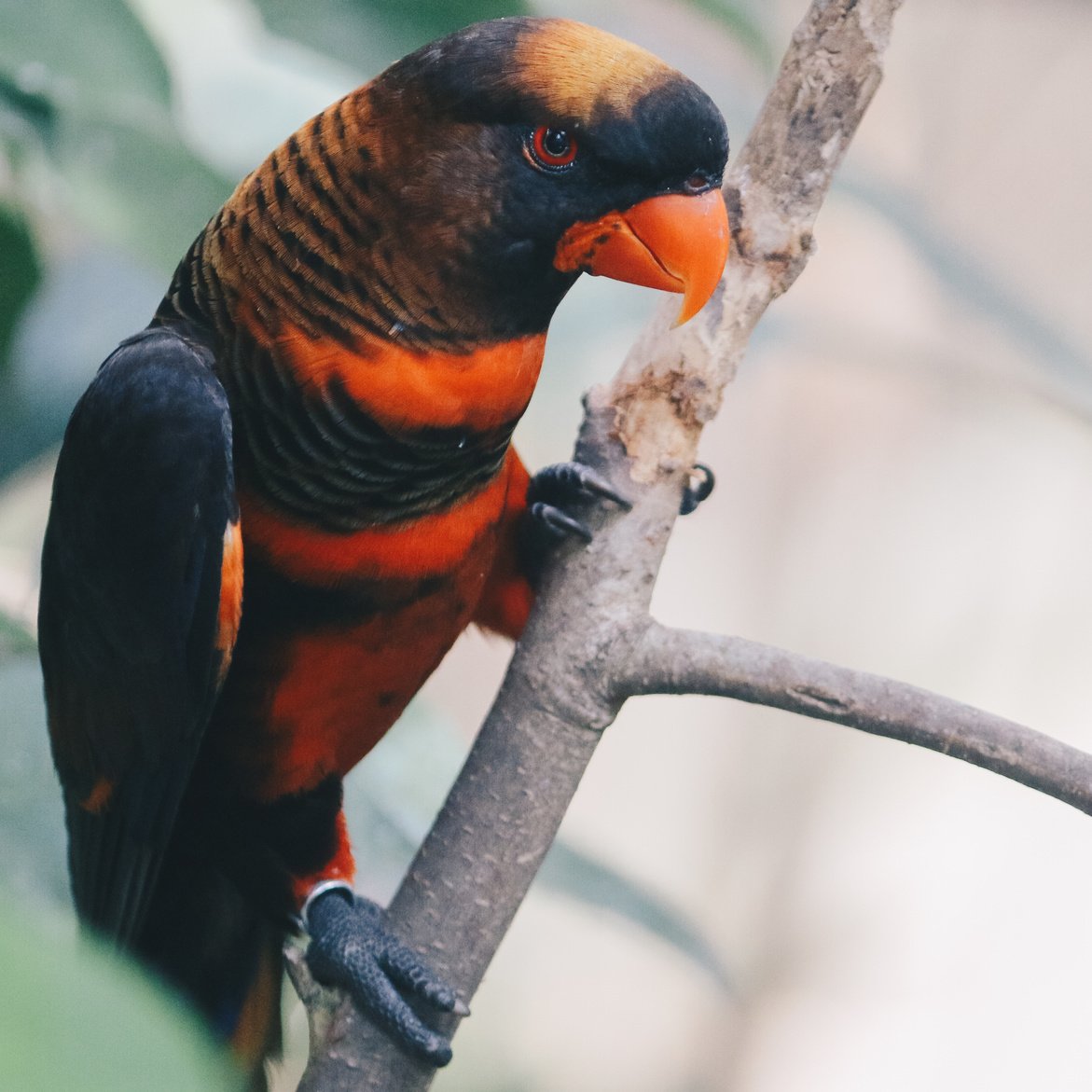
The Tiny Chemical Twist Behind Parrots' Brilliant Feathers
Anyone who has watched a macaw swoop through a rainforest canopy knows that parrots are nature’s living neon signs. Their vivid reds, electric blues, sunny yellows, and deep greens are not just eye‑catching; they are the result of a remarkably simple chemical tweak that scientists have only recently understood. For exotic pet enthusiasts, knowing how these colors are produced can help you make better dietary and health choices for your feathered companions.
What Gives Parrots Their Color?
Bird coloration generally falls into three categories: structural colors, melanin pigments, and carotenoid pigments. Parrots, however, have a fourth, unique group called psittacofulvins. Unlike carotenoids—which birds must obtain from fruit, seeds, or insects—psittacofulvins are synthesized inside the bird’s own feather follicles. This internal production is what allows parrots to display such a wide spectrum of reds, oranges, and yellows, even when their diet is low in external pigments.
The Molecular Magic: A Single Double Bond
Research has shown that the core of every psittacofulvin molecule is a linear chain of carbon atoms called a polyene. The hue of the pigment shifts dramatically when a single double bond is added or removed along this chain. Adding one extra double bond extends the conjugated system, lowering the energy of reflected light and pushing the color toward the red end of the spectrum. Removing a double bond has the opposite effect, shifting the pigment toward orange or yellow.
This tiny alteration—essentially a single chemical modification—acts like a dial on a color wheel. In macaws, for example, the bright scarlet of the red‑shouldered macaw results from a psittacofulvin with three additional double bonds compared to the orange pigment of a sun‑conure. The difference is only a matter of one extra bond, yet the visual impact is dramatic.
How Parrots Make the Change
The addition or removal of a double bond is controlled by a specialized enzyme called psittacofulvin synthase. This enzyme is encoded by a single gene that varies slightly among species. Small changes in the gene’s DNA sequence alter the enzyme’s shape, making it either more or less likely to introduce that extra bond during pigment synthesis. Evolutionary pressure—such as the need to attract mates or signal territory—has fine‑tuned these genetic variations over millions of years, resulting in the dazzling palette we see today.
Why Bright Colors Matter
Vibrant plumage serves several functions:
- Mate attraction: In many parrot species, females prefer males with the most intense reds or blues, interpreting them as signs of good health.
- Species recognition: Distinct color patterns help birds identify members of their own species in dense forests.
- Warning signals: Some bright colors can signal toxicity or a readiness to defend a nest.
Because psittacofulvins are produced internally, parrots can maintain their coloration even when environmental pigment sources are scarce, giving them a reliable visual signal year after year.
Implications for Pet Care
Understanding the chemistry behind feather color can guide owners in providing optimal care:
- Balanced nutrition: While psittacofulvins are made by the bird, the process requires amino acids, vitamins (especially B‑complex), and minerals. A diet rich in high‑quality pellets, fresh vegetables, and occasional nuts supplies the building blocks needed for healthy pigment synthesis.
- Stress reduction: Chronic stress can suppress the activity of psittacofulvin synthase, leading to duller feathers. Provide mental enrichment, regular social interaction, and a stable environment to keep the enzyme functioning at peak efficiency.
- Health monitoring: Sudden fading of bright plumage can be an early sign of liver or metabolic issues, because the liver processes the intermediates of pigment production. Regular veterinary check‑ups are essential.
Can You Influence Color Through Diet?
Because psittacofulvins are internally generated, feeding your parrot extra carrots or red peppers will not dramatically change its natural reds or blues. However, a well‑balanced diet supports the overall health of the feather‑producing cells, ensuring that the bird can express its genetic color potential fully. Over‑supplementation with carotenoid‑rich foods may add a subtle tint to areas where the bird also uses carotenoids, but it will not replace the unique psittacofulvin palette.
Conclusion
The next time you admire the radiant plumage of a blue‑and‑gold macaw or a green‑winged amazon, remember that a single chemical modification—a lone double bond—lies
windycityparrot.com


0 comments:
Post a Comment