
Understanding the needs of an exotic animal is an important part of responsible ownership. Reliable information can help owners make more thoughtful decisions about habitat, nutrition, behavior and everyday care.
What to Know
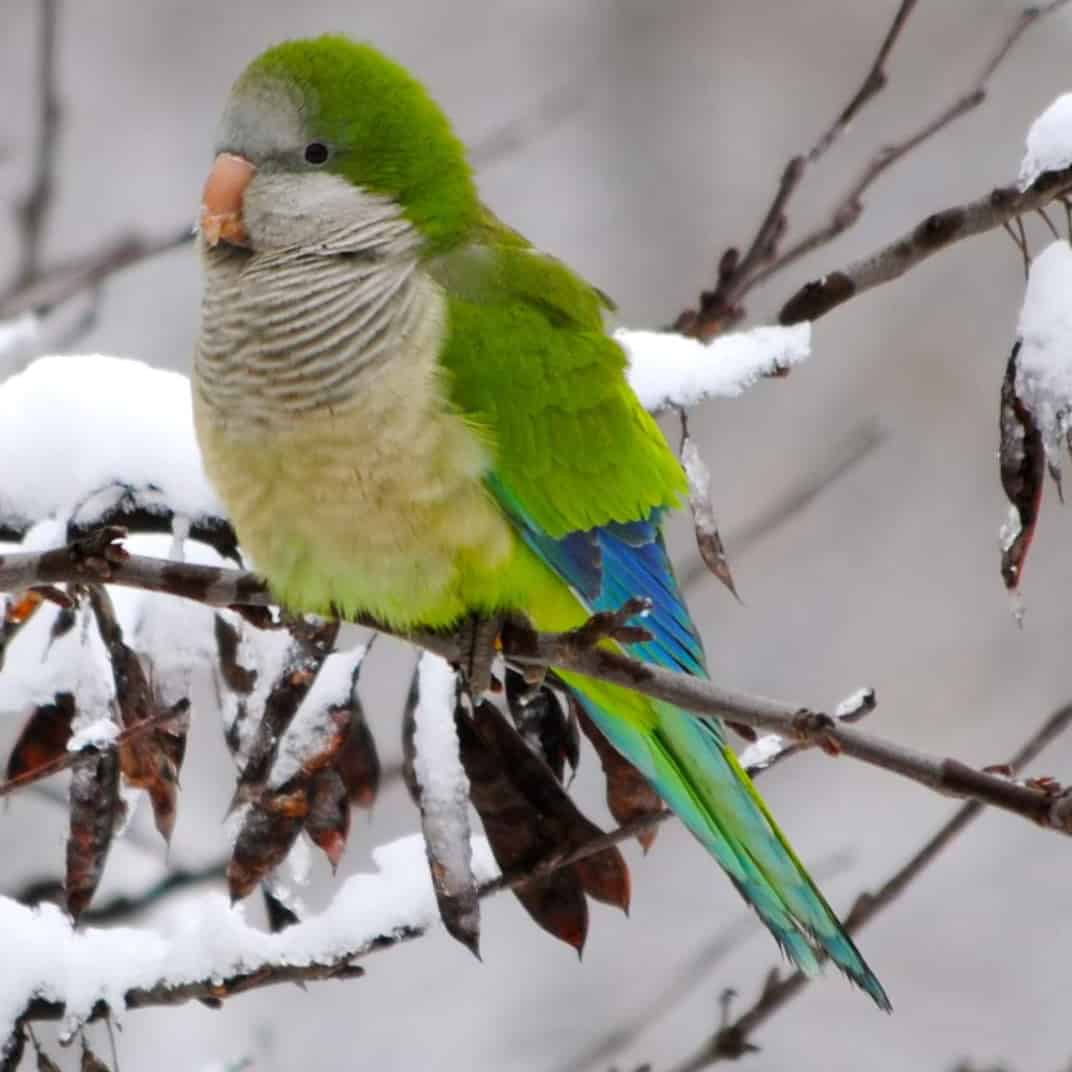
Last Updated on June 26, 2025 by Mitch Rezman When we think of parrots, we often imagine them in tropical rainforests or exotic islands. However, you might be surprised to learn that several parrot species have established wild populations right here in the United States. These birds, often descendants of escaped or released pets, have […] Source Last Updated on June 26, 2025 by Mitch Rezman When we think of parrots, we often imagine them in tropical rainforests or exotic islands.
However, you might be surprised to learn that several parrot species have established wild populations right here in the United States. These birds, often descendants of escaped or released pets, have […] Source
Important Care Considerations
Exotic animals can have specialized requirements that differ from those of common household pets. Owners should consider the species, age, individual condition and established husbandry needs of the animal before making changes to its routine.
A suitable environment should be planned around the needs of the particular species. Housing, temperature, humidity, lighting, cleanliness, enrichment and access to appropriate food and water can all be important considerations depending on the animal involved.
Understanding the natural behavior of an exotic animal can also help owners recognize what is normal for that species. Observation of appetite, activity, appearance and daily behavior can provide useful information about an individual animal.
Understanding Individual Needs
General information can provide useful background, but it should not be treated as a universal care plan. Individual animals may respond differently to environmental changes, handling routines, food choices and other aspects of husbandry.
Owners can benefit from keeping regular observations of normal behavior and daily routines. Changes that are unusual, persistent or concerning should not be ignored, particularly when they are accompanied by changes in appetite, activity or appearance.
Before making significant changes to an animal’s environment or routine, owners should consider whether the proposed change is appropriate for the species and individual pet. Gradual, carefully considered adjustments are generally preferable to unnecessary sudden changes.
Responsible Research
Reliable species-specific resources are an important part of responsible exotic pet ownership. Before changing housing, diet, handling or other care practices, owners should compare information from trustworthy sources rather than relying on a single general recommendation.
When a question involves possible illness, injury or another health concern, a qualified veterinarian with appropriate experience can provide guidance based on the individual animal.
Practical Takeaway
The most useful approach is to understand the animal first and then make care decisions based on its particular requirements. Careful observation, appropriate husbandry and continued learning can help owners provide a safer and more suitable environment.
Responsible exotic pet ownership is an ongoing learning process. Owners should use dependable information, pay attention to the individual animal and seek professional assistance whenever a situation involves health or welfare concerns.
Owners should avoid making major husbandry changes based on general advice alone. Species-specific information and qualified veterinary guidance can be valuable when questions involve health, nutrition or unusual behavior.
windycityparrot.com


0 comments:
Post a Comment