
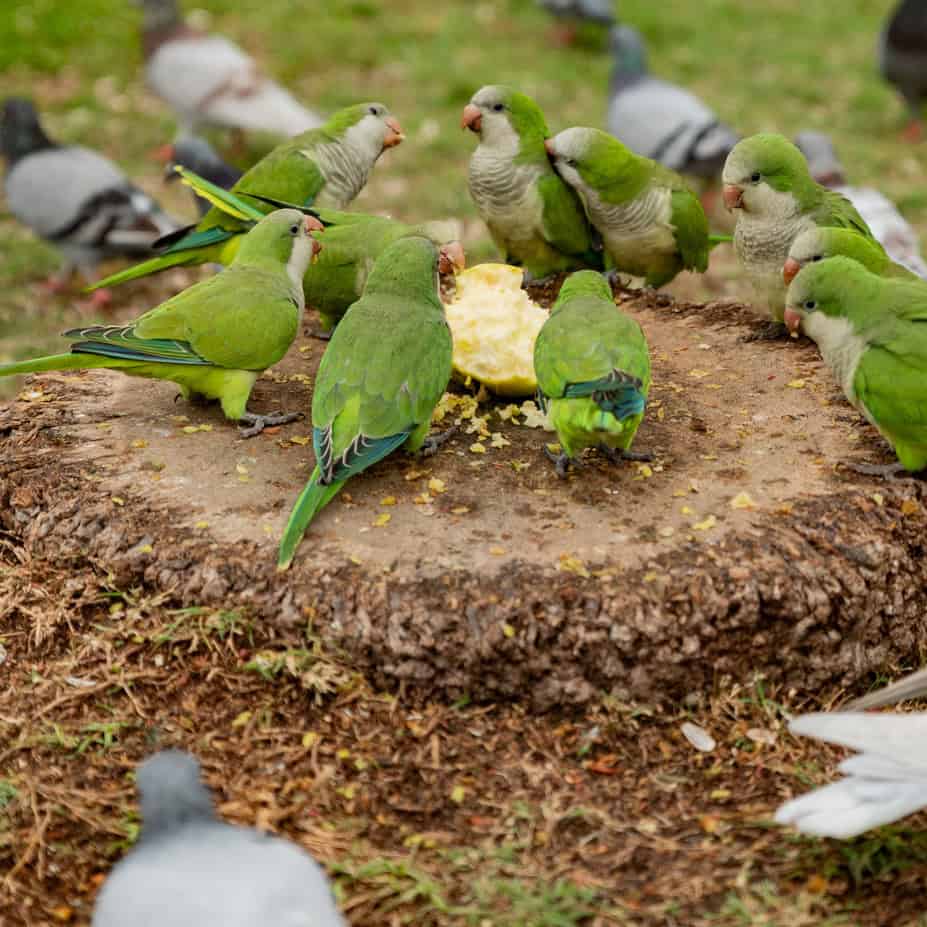
How Urban Parrots Thrive in Non‑Native Cities
Parrots are celebrated for their bright plumage, problem‑solving abilities, and strong social bonds. While most species are native to tropical forests, many have established thriving populations in cities far from their original ranges. Their success is not accidental; it results from a blend of biological flexibility, urban resources, and the ways people shape their environment.
Key Factors Behind Urban Success
- Behavioral flexibility: Parrots are natural opportunists. They can switch between wild fruit, seeds, and human‑provided foods, allowing them to exploit new food sources quickly.
- Social learning: Young birds watch experienced flock members discover novel feeding sites or safe roosting spots, spreading useful knowledge through the group.
- Tolerance of disturbance: Compared with many forest‑dwelling birds, parrots can endure higher levels of noise and foot traffic, making city parks and streets less intimidating.
Urban Food Resources
City environments offer a surprisingly diverse buffet for parrots:
- Fruit trees in public parks: Many municipalities plant native and ornamental fruit‑bearing trees—such as figs, mulberries, and plums—that produce year‑round nourishment.
- Garden plantings: Residents often cultivate berries, grapes, and seed‑rich flowers that attract parrots during breeding seasons.
- Human waste and bird feeders: Discarded fruit peels, nuts, and specially placed feeders provide reliable supplemental calories.
- Insects and larvae: Urban green spaces host insects that parrots hunt for protein, especially when raising chicks.
These food options help offset the loss of their natural diet and support larger flock sizes than would be possible in a strictly wild setting.
Safe Roosting and Nesting Sites
Finding secure places to rest and raise young is critical. In cities, parrots make use of:
- Tree cavities in mature park trees or street‑lined avenues.
- Man‑made structures such as building ledges, bridges, and abandoned utility poles.
- Artificial nest boxes installed by wildlife groups, which have been shown to increase breeding success for several species.
These sites often provide better protection from predators like hawks, which are less common in dense urban cores.
The Role of Human Interaction
People influence parrot populations in both positive and negative ways. Positive contributions include:
- Feeding programs: Responsible feeding with appropriate fruits, nuts, and seeds can sustain flocks during lean months.
- Habitat enhancement: Planting native fruit trees and installing nest boxes encourages settlement.
- Public awareness: Education campaigns reduce harmful actions such as trapping or feeding inappropriate foods.
Conversely, negative impacts arise when:
- Parrots are fed processed snacks high in salt or sugar, which can cause health problems.
- Noise‑polluting construction destroys existing roost trees.
- Illegal pet trade leads to the release of captive birds that may spread disease.
Balanced, informed interaction is essential for long‑term coexistence.
Health and Disease Management
Urban parrots face unique health challenges. Dense populations can facilitate the spread of avian diseases such as psittacine beak and feather disease (PBFD) or avian influenza. Regular monitoring by local wildlife agencies, combined with public reporting of sick or injured birds, helps mitigate outbreaks. Veterinarians who specialize in avian care also play a role by providing guidance on safe feeding practices and recognizing early signs of illness.
Ecological Impacts of Non‑Native Parrots
While many urban parrots integrate without major disruption, some species can affect native ecosystems:
- Competition for nesting cavities may disadvantage native cavity‑nesting birds.
- Seed dispersal of non‑native plants can alter local flora composition.
Research in cities such as Los Angeles, Miami, and New York shows that these impacts are generally modest, but ongoing study is recommended to ensure balanced biodiversity.
Guidelines for City Residents
For those who enjoy watching parrots in their neighborhoods, the following practices support healthy urban bird populations:
- Offer fresh, unsalted fruits (e.g., apple slices, berries) and raw nuts in moderation.
- Avoid feeding bread, processed snacks, or foods with artificial sweeteners.
- Install certified nest boxes at heights of 10‑15 feet, away from high‑traffic areas.
- Report injured or sick birds to local wildlife rehabilitation centers.
- Participate in community tree‑planting events that prioritize native fruit‑bearing species.
Conclusion
Parrots demonstrate remarkable adaptability, allowing them to flourish in urban landscapes far from their ancestral homes. By providing reliable food, safe roosting options, and responsible human stewardship, cities can become vibrant habitats where these colorful birds continue to delight residents while maintaining ecological balance.
windycityparrot.com


0 comments:
Post a Comment