
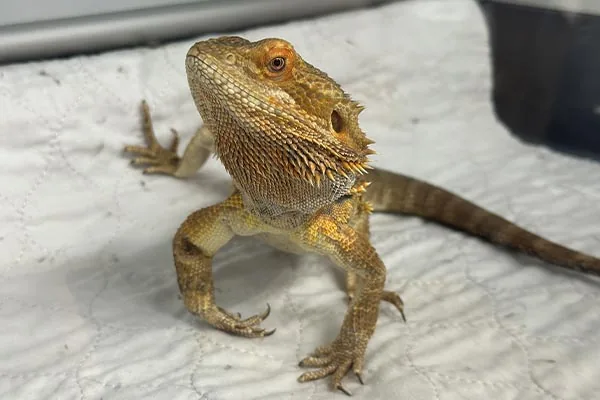
When temperatures begin to drop, reptile owners in temperate regions face a unique set of challenges. Unlike mammals, most reptiles cannot generate their own body heat and rely entirely on the environment to maintain the temperatures they need for digestion, immune function, and overall well‑being. Proper winter preparation helps prevent stress, illness, and even mortality. The steps below apply to snakes, lizards, turtles, and tortoises, with minor adjustments for the specific needs of each group.
1. Know Your Species’ Temperature Range
Every reptile has a documented optimal temperature range for its active (basking) zone and its cooler retreat area. For example, a bearded dragon thrives with a basking spot of 95–105°F (35–40°C) and a cooler side around 75°F (24°C). A ball python prefers a basking area of 88–92°F (31–33°C) and a drop zone near 78°F (26°C). Review reputable husbandry guides or your veterinarian’s notes to confirm the exact numbers for your pet.
During winter, the ambient room temperature may fall well below these thresholds, so you must compensate with reliable heating equipment.
2. Insulate the Enclosure
- Cover the tank. Use a thick, insulated blanket, a foam board, or a custom‑made wooden cabinet to wrap the enclosure on three sides. Leave the front open for observation and ventilation.
- Seal gaps. Check for drafts around the lid, doors, and any ventilation holes. Silicone caulk or weather‑strip tape can close unwanted openings without compromising necessary airflow.
- Elevate the tank. Raising the enclosure off cold floors (concrete or tile) reduces heat loss. A sturdy stand with a rubber mat provides both insulation and stability.
3. Upgrade Heating Elements
Standard heat lamps may lose efficiency as room temperature drops. Consider the following options:
- Ceramic heat emitters (CHIs). These provide steady, invisible heat and are ideal for nocturnal species or for maintaining a stable night temperature.
- Under‑tank heating pads. Place them on the side of the enclosure that houses the cooler hide. Use a thermostat to avoid overheating.
- Thermostatically controlled basking bulbs. Pair a high‑output bulb with a reliable thermostat that cuts power when the target temperature is reached.
Always use a thermostat designed for reptile heating; it will keep the temperature within a narrow, safe range and prevent burns.
4. Monitor Temperature and Humidity Daily
Invest in at least two accurate digital thermometers—one for the basking spot and one for the cool side. A separate hygrometer is essential for species that require specific humidity levels, such as many turtles and tropical lizards. Record readings each morning and evening, adjusting heat sources as needed.
5. Adjust Lighting
UVB lighting is crucial for calcium metabolism in most diurnal reptiles. However, many UVB bulbs lose output after 6–12 months, and the reduced daylight in winter further limits UV exposure. Replace bulbs annually and consider a longer photoperiod (12–14 hours) to mimic natural daylight, using a timer to maintain consistency.
6. Modify Feeding Regimens
Cold temperatures slow metabolism, meaning reptiles require less food. Overfeeding can lead to obesity and digestive problems. Follow these guidelines:
- Snakes and lizards. Offer prey every 10–14 days instead of the usual 5–7 days, monitoring body condition.
- Turtles and tortoises. Reduce vegetable and protein portions by roughly one‑third, and ensure the food is fresh and easy to digest.
Always provide clean water, and consider a shallow water dish that can be gently warmed to prevent chilling.
7. Conduct Regular Health Checks
Winter stress can manifest as lethargy, loss of appetite, or abnormal shedding. Perform a quick visual inspection weekly: look for signs of respiratory infection (nasal discharge, wheezing), skin lesions, or abnormal behavior. If anything seems off, contact a veterinarian experienced with exotic reptiles promptly.
8. Prepare for Power Outages
Cold snaps often bring storms that can interrupt electricity. Have a backup plan:
- Keep a portable, thermostatically controlled heat source (such as a reptile‑safe heating pad with a battery backup) ready.
- Store extra blankets, heat packs, and a small insulated box where you can temporarily house the reptile if the primary enclosure loses heat.
- Know the nearest emergency veterinary clinic’s after‑hours contact information.
9. Keep the Environment Stable
Avoid frequent temperature fluctuations. Reptiles thrive on consistency, so once you have established a safe winter range, resist the urge to make large adjustments. Small, incremental changes
avianexoticsvet.com


0 comments:
Post a Comment