
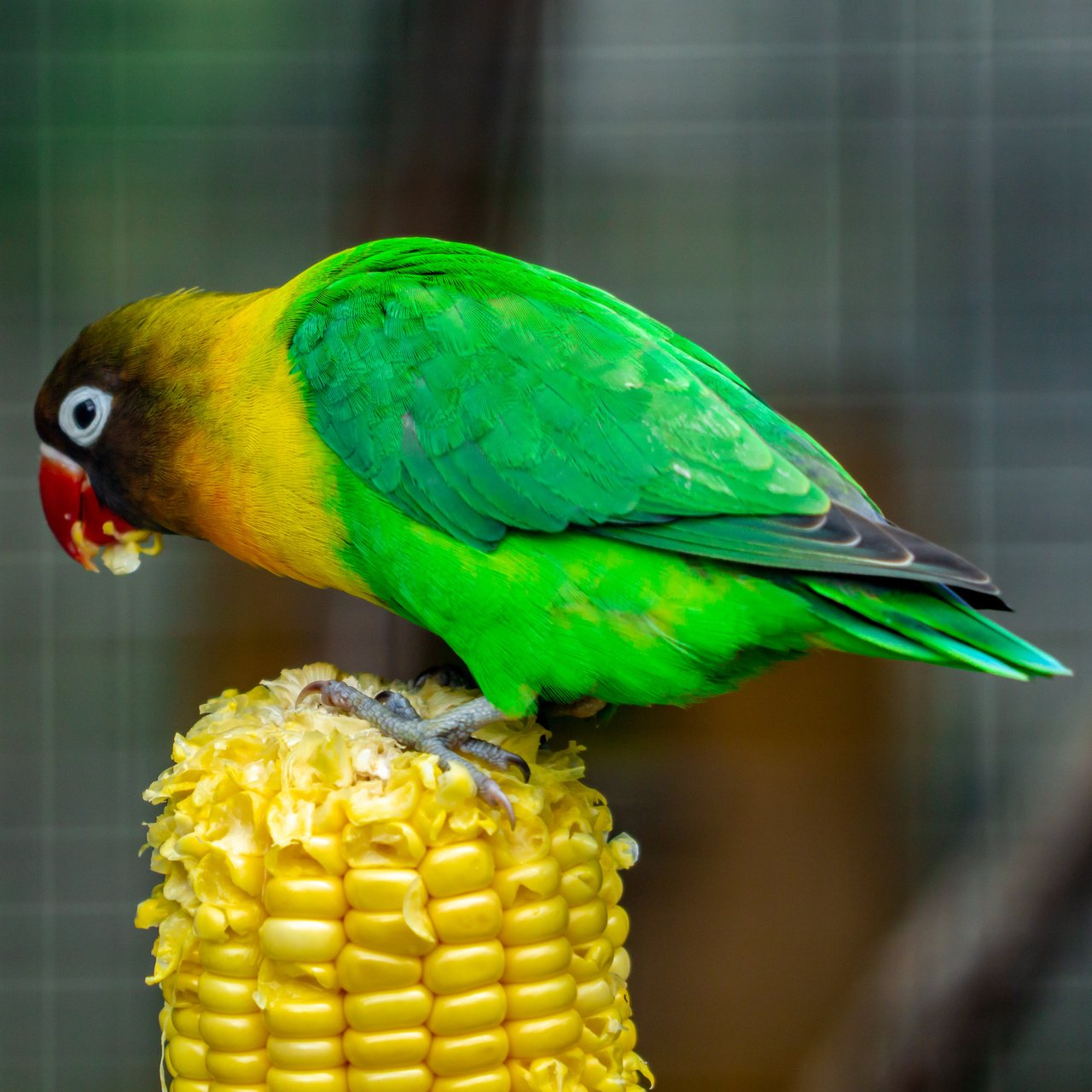
Can Your Pet Bird Safely Enjoy Corn on the Cob?
Many bird owners wonder whether the bright yellow kernels they see on a summer barbecue are a good snack for their feathered friends. The short answer is yes—most pet birds can eat corn on the cob safely, provided you follow a few simple guidelines. This article explains the nutritional value of corn, how to prepare it for birds, potential hazards, and best‑practice feeding tips.
Why Corn Can Be a Healthy Treat
Corn is a natural source of several nutrients that support avian health:
- Carbohydrates: Provide quick energy for active species such as parrots, cockatiels, and conures.
- Vitamin B complex: Helps with metabolism and nervous‑system function.
- Vitamin C: An antioxidant that aids immune health, though birds synthesize their own vitamin C, the extra amount is harmless.
- Minerals such as magnesium, phosphorus, and potassium, which contribute to bone strength and muscle function.
When offered in moderation, corn can complement a balanced diet of high‑quality pellets, fresh vegetables, and occasional fruit.
Preparing Corn for Your Bird
Even though corn on the cob is technically edible, you should never give a bird a raw, unprocessed cob. Follow these steps to make it safe:
- Choose fresh, organic corn when possible. Avoid corn that has been treated with pesticides or herbicides.
- Cook the cob by boiling or steaming for 5–7 minutes. Cooking softens the kernels and reduces the risk of choking on tough fibers.
- Cool the cob completely before handling it. Hot corn can burn a bird’s delicate beak and mouth.
- Remove the kernels by gently pulling them off with your fingers or a small spoon. The cob itself is fibrous and can be difficult for most birds to digest.
- Offer a small portion—about one tablespoon of kernels for a medium‑sized parrot, less for smaller species.
Never add butter, salt, oil, or seasonings. These additives can be toxic or cause gastrointestinal upset.
Potential Risks and How to Avoid Them
While corn is generally safe, there are a few concerns to keep in mind:
- Choking hazard: Whole kernels can be a problem for very small birds (e.g., budgerigars). Offer finely chopped or pureed corn instead.
- High sugar content: Corn contains natural sugars; over‑feeding can contribute to obesity or blood‑sugar spikes, especially in birds prone to gout.
- Allergic reactions: Though rare, some birds may develop a sensitivity. Introduce corn gradually and watch for signs of diarrhea or feather plucking.
- Mycotoxin contamination: Moldy corn can contain harmful toxins. Discard any kernels that appear discolored, slimy, or have an off‑odor.
If you notice any unusual behavior after feeding corn—such as vomiting, lethargy, or excessive droppings—remove the treat and consult an avian veterinarian.
How Much Corn Is Appropriate?
Portion control is key to preventing nutritional imbalances. A good rule of thumb is:
- Small birds (budgies, lovebirds): 1–2 teaspoons of cooked kernels per week.
- Medium birds (cockatiels, conures): 1–2 tablespoons per week.
- Large birds (African greys, macaws): Up to ¼ cup of kernels a few times a week.
These amounts should be counted as part of the bird’s overall treat allowance, which typically should not exceed 10 % of the total daily diet.
Alternatives and Complementary Foods
If you’re looking for variety, consider these corn‑related options that are also bird‑friendly:
- Cornmeal: Unsweetened, plain cornmeal can be mixed into a small amount of fresh fruit puree for a textured snack.
- Frozen corn kernels: Thaw and serve cold for a crunchy treat that mimics natural foraging.
- Homemade corn mash: Blend cooked kernels with a splash of water and a pinch of finely chopped leafy greens.
These alternatives still provide the same vitamins and minerals while offering different textures that encourage natural foraging behavior.
Final Thoughts
Corn on the cob, when prepared correctly and offered in modest amounts, can be a nutritious and enjoyable treat for most pet birds. The key is to cook the corn, remove the kernels, avoid any added seasonings, and monitor your bird’s response. By following the guidelines above, you can safely incorporate this bright, sweet snack into a varied diet that supports your bird’s health and happiness.
Always remember that treats should complement—not replace—a balanced diet
windycityparrot.com


0 comments:
Post a Comment