
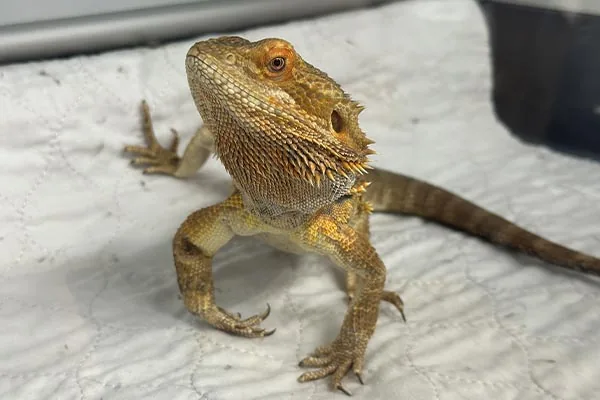
Reptiles may seem low‑maintenance, but their nutritional needs are highly specific. Among all nutrients, calcium stands out as the cornerstone of a healthy reptile diet. In the Westchester area, where seasonal temperature swings and indoor lighting can affect a pet’s metabolism, providing adequate calcium is especially important.
The Biological Role of Calcium
Calcium is a mineral that supports several critical functions in reptiles:
- Bone formation and maintenance: Calcium combines with phosphorus to create hydroxyapatite, the material that gives bones their strength and rigidity.
- Muscle contraction: Every movement, from a slow crawl to a rapid strike, depends on calcium ions that trigger muscle fibers to contract.
- Nerve transmission: Calcium helps transmit electrical signals along nerves, ensuring proper coordination and reflexes.
- Blood clotting: When a reptile is injured, calcium participates in the cascade that stops bleeding.
Consequences of Calcium Deficiency
When a reptile does not receive enough calcium, the body pulls the mineral from its bones to meet immediate needs. Over time, this leads to a condition known as metabolic bone disease (MBD). Signs of MBD include:
- Soft or deformed shells in turtles and tortoises
- Swollen, crooked limbs or a “knobby” appearance
- Difficulty moving, frequent falls, or a tendency to stay in one spot
- Reduced appetite and lethargy
In breeding females, insufficient calcium can cause egg‑binding, a painful condition where eggs cannot be expelled, sometimes requiring veterinary intervention.
Why Westchester Reptile Owners Need to Pay Extra Attention
The climate in Westchester, NY, experiences cold winters and humid summers. Many reptile owners keep their animals indoors, relying on artificial heat and light. While temperature can be regulated with heat mats or ceramic heaters, UVB lighting—essential for calcium metabolism—is often overlooked.
Reptiles synthesize vitamin D3 when exposed to UVB wavelengths. Vitamin D3, in turn, enables the intestinal lining to absorb calcium efficiently. Without adequate UVB, even a diet rich in calcium may not be properly utilized, leading to hidden deficiencies.
Providing Calcium Through Diet
Calcium should be offered in two complementary ways: natural food sources and supplemental powders.
Natural Food Sources
- Insects: Crickets, roaches, and mealworms can be gut‑loaded with calcium before feeding.
- Vegetables: Dark leafy greens such as collard greens, kale, and mustard greens contain calcium and are suitable for herbivorous species.
- Calcium‑rich prey: For carnivorous snakes, feeder mice or rats that have been raised on a calcium‑enhanced diet provide a reliable source.
Supplemental Calcium Powders
Powders are dusted onto insects or mixed into vegetable mash. Choose a product that contains calcium carbonate or calcium gluconate and, if possible, includes a small amount of vitamin D3 for indoor animals. Follow the manufacturer’s dosage guidelines—generally a light dusting for adult maintenance and a heavier coating for growing juveniles or breeding females.
UVB Lighting: The Missing Piece
Invest in a UVB bulb that matches the natural sunlight spectrum for your reptile’s species. For most diurnal lizards, a 10‑12% UVB bulb placed 12‑18 inches from the basking spot is adequate. Tortoises and some semi‑aquatic species may require a 5‑7% UVB source. Replace the bulb according to the manufacturer’s schedule—usually every 6‑12 months—because UV output declines long before the bulb looks dim.
Monitoring Calcium Status
Regular veterinary check‑ups are the best way to ensure your reptile’s calcium balance is on track. A veterinarian can perform a blood test to measure calcium, phosphorus, and vitamin D3 levels. In Westchester, many exotic‑pet clinics offer these diagnostics and can advise on diet adjustments.
At home, watch for early warning signs: a soft or puffy jaw, abnormal posture, or a reluctance to climb. Early intervention—adjusting diet, increasing UVB exposure, or adding a calcium supplement—can prevent permanent damage.
Practical Tips for Westchester Owners
- Set up a dedicated basking area with a reliable heat source and a UVB bulb; keep the enclosure’s temperature within the species‑specific range.
- Rotate calcium‑rich foods daily to prevent boredom and ensure a broad nutrient profile.
- Use a calibrated calcium supplement and avoid “over‑supplementing,” which can cause kidney strain.
- Maintain clean water; some reptiles absorb calcium through their skin while soaking.
- Schedule a veterinary exam at least once a year, or more often for growing or breeding animals.
Conclusion
Calcium is not just another mineral; it is the foundation of a reptile’s skeletal health, muscle function, and overall vitality.
avianexoticsvet.com


0 comments:
Post a Comment