Welcome to Exotic Nest, your source for useful information about exotic pets, animal care, nutrition, behavior, habitats, and responsible pet ownership.
What to Know
Ball python morphs are one of the main reasons this species has become so popular among reptile keepers. A morph is a variation in a snake’s color, pattern, or both, caused by a mutation in a specific gene, and the range of possible looks is enormous. Breeders have named hundreds of morphs over the years, […] The post Ball Python Morphs Explained: A Buyer’s Guide for 2026 appeared first on XYZReptiles . Ball python morphs are one of the main reasons this species has become so popular among reptile keepers.
A morph is a variation in a snake’s color, pattern, or both, caused by a mutation in a specific gene, and the range of possible looks is enormous. Breeders have named hundreds of morphs over the years, and new combinations continue to appear. If you are buying a ball python in 2026, understanding the basics of morphs will help you choose a snake you will enjoy for years. What Are Ball Python Morphs? Morphs are variations in color, pattern, or both, resulting from mutations in specific genes.
In ball pythons, these mutations can change the base color, the shape of the markings, or the overall appearance of the animal. Some of the most widely known examples include Albino, Piebald, and Clown. The list does not stop there. One serious collection has documented more than 400 examples, including Albino, Axanthic, MJ, Bamboo, Banana, Blackhead, Black Pastel, Black Velvet, Blade, Butter, and Calico, to name only a portion. Because each morph comes from a specific genetic change, a single snake can carry several different mutations at the same time.
This is how advanced multi-gene combinations are built. For a buyer, it means two ball pythons of the same species can look completely different from one another, which is exactly why morphs have become such a popular focus for hobbyists and breeders. The presence of so many names can feel overwhelming at first, but you do not need to memorize every morph to make a good purchase. Start with the ones you see most often, learn what they look like, and work outward from there.
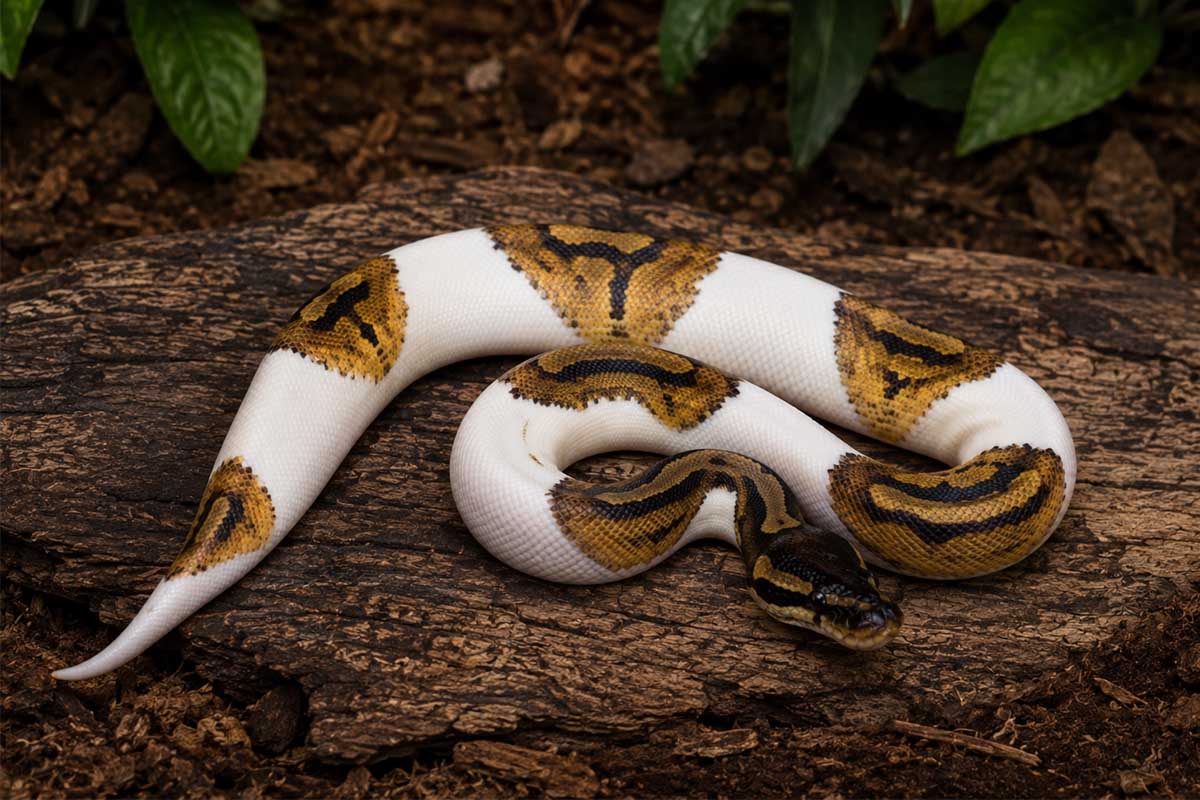
Looking at the best beginner ball python morphs is a great place to start and most breeders are happy to explain how their animals are put together genetically. Popular Ball Python Morphs to Know Some morphs are produced in large numbers and appear in almost every breeder’s inventory. Others are newer, harder to produce, or only available in small quantities. The table below covers a handful of the most recognizable morphs a new buyer is likely to see. Morph What It Does Who It Suits Albino A classic color mutation that removes dark pigment Buyers who want a bold, high-contrast look Pied Large white patches mixed with pigmented areas Buyers who enjoy striking pattern contrast Clown A pattern mutation that changes the markings on the body Buyers who value pattern over color Banana Lightens the base color with warm yellow tones Buyers who like lighter-colored snakes Blue Eyed Leucistic Mostly white appearance with blue eyes Buyers who want a clean, eye-catching snake Axanthic Reduces yellow and red pigments for gray or silver tones Buyers who prefer cool-toned snakes This table only scratches the surface.
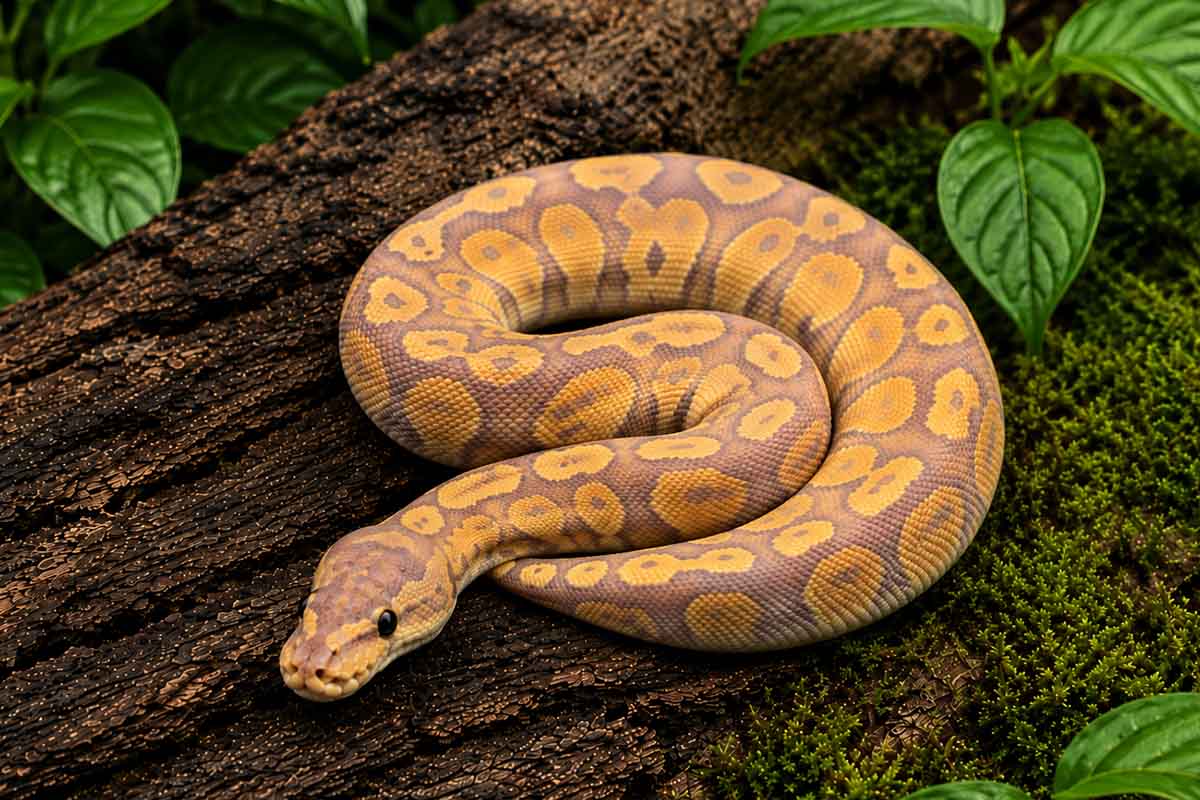
Many breeders offer advanced multi-gene combinations that stack several mutations into one snake, creating looks that did not exist a few years ago. When you browse a breeder’s inventory, you will often see names that combine two or three morphs in a single animal, and those names can take time to learn. For the rarest combos and what makes them pricey, see our guide to rare ball python morphs . Banana Mojave ball python pictured How Ball Python Morph Genetics Work Morphs are inherited through genes, but not every morph behaves in the same way.
Responsible Care Considerations
Every exotic pet has species-specific needs, so owners should confirm reliable care information before making changes to housing, nutrition, handling, or daily routines. Conditions that appear suitable for one species may be inappropriate for another.
A suitable habitat should provide appropriate space, environmental conditions, enrichment, access to clean water, and a safe area where the animal can behave naturally. Regular observation can also
Final Thoughts
Responsible exotic-pet ownership starts with research, proper preparation, and a commitment to the animal’s long-term wellbeing. Always consider the specific needs of the species and seek qualified professional advice when necessary.
For more practical guides and helpful information about exotic pets, continue exploring Exotic Nest.
Source: xyzreptiles.com