Exotic Nest is your go-to hub for expert tips, guides, and resources on caring for rare and unconventional pets, ensuring they thrive in a safe and happy environment.

✨ Welcome to Exotic Nest – where the beauty of uncommon pets comes to life. Our slideshow takes you on a visual journey through the fascinating world of exotic companions – from vibrant reptiles and curious small mammals to enchanting birds and rare aquatic wonders. Each slide captures the unique charm, personality, and elegance of these extraordinary. creatures, giving you a glimpse into the magic of caring for pets that are anything but ordinary.

🌿 Discover Exotic Care at Exotic Nest – Our slideshow brings rare pets to life with stunning visuals and helpful care insights. From colorful reptiles to elegant birds and unique small mammals, each slide highlights the beauty of these extraordinary companions while guiding you with tips to keep them happy and healthy.

🦜 “Celebrate the charm of uncommon pets with visuals and care insights that inspire.”

🐢 “A journey into the world of exotic pets – where beauty meets thoughtful care.”

Saturday, 12 September 2026

Ball Python Morphs Explained: A Buyer’s Guide for 2026 | Exotic Nest

Welcome to Exotic Nest, your source for useful information about exotic pets, animal care, nutrition, behavior, habitats, and responsible pet ownership.

What to Know

Ball python morphs are one of the main reasons this species has become so popular among reptile keepers. A morph is a variation in a snake’s color, pattern, or both, caused by a mutation in a specific gene, and the range of possible looks is enormous. Breeders have named hundreds of morphs over the years, […] The post Ball Python Morphs Explained: A Buyer’s Guide for 2026 appeared first on XYZReptiles . Ball python morphs are one of the main reasons this species has become so popular among reptile keepers.

A morph is a variation in a snake’s color, pattern, or both, caused by a mutation in a specific gene, and the range of possible looks is enormous. Breeders have named hundreds of morphs over the years, and new combinations continue to appear. If you are buying a ball python in 2026, understanding the basics of morphs will help you choose a snake you will enjoy for years. What Are Ball Python Morphs? Morphs are variations in color, pattern, or both, resulting from mutations in specific genes.

In ball pythons, these mutations can change the base color, the shape of the markings, or the overall appearance of the animal. Some of the most widely known examples include Albino, Piebald, and Clown. The list does not stop there. One serious collection has documented more than 400 examples, including Albino, Axanthic, MJ, Bamboo, Banana, Blackhead, Black Pastel, Black Velvet, Blade, Butter, and Calico, to name only a portion. Because each morph comes from a specific genetic change, a single snake can carry several different mutations at the same time.

This is how advanced multi-gene combinations are built. For a buyer, it means two ball pythons of the same species can look completely different from one another, which is exactly why morphs have become such a popular focus for hobbyists and breeders. The presence of so many names can feel overwhelming at first, but you do not need to memorize every morph to make a good purchase. Start with the ones you see most often, learn what they look like, and work outward from there.

Looking at the best beginner ball python morphs is a great place to start and most breeders are happy to explain how their animals are put together genetically. Popular Ball Python Morphs to Know Some morphs are produced in large numbers and appear in almost every breeder’s inventory. Others are newer, harder to produce, or only available in small quantities. The table below covers a handful of the most recognizable morphs a new buyer is likely to see. Morph What It Does Who It Suits Albino A classic color mutation that removes dark pigment Buyers who want a bold, high-contrast look Pied Large white patches mixed with pigmented areas Buyers who enjoy striking pattern contrast Clown A pattern mutation that changes the markings on the body Buyers who value pattern over color Banana Lightens the base color with warm yellow tones Buyers who like lighter-colored snakes Blue Eyed Leucistic Mostly white appearance with blue eyes Buyers who want a clean, eye-catching snake Axanthic Reduces yellow and red pigments for gray or silver tones Buyers who prefer cool-toned snakes This table only scratches the surface.

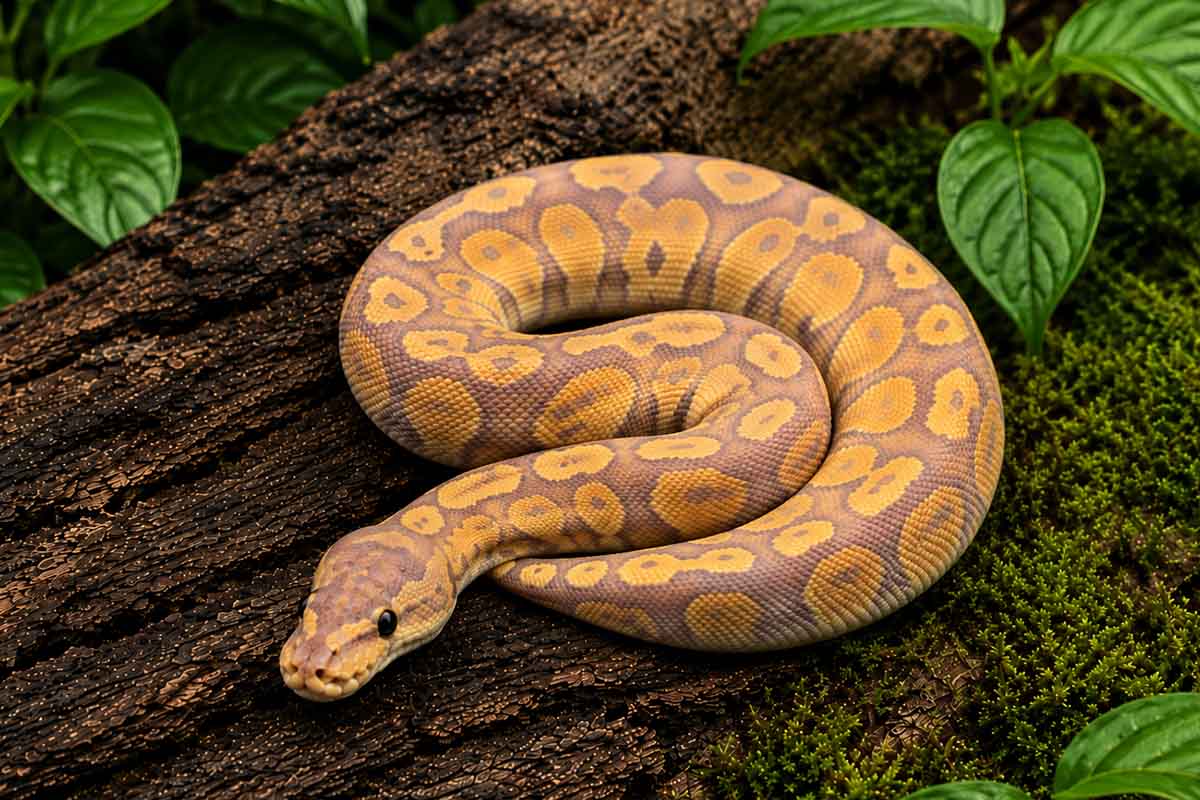
Many breeders offer advanced multi-gene combinations that stack several mutations into one snake, creating looks that did not exist a few years ago. When you browse a breeder’s inventory, you will often see names that combine two or three morphs in a single animal, and those names can take time to learn. For the rarest combos and what makes them pricey, see our guide to rare ball python morphs . Banana Mojave ball python pictured How Ball Python Morph Genetics Work Morphs are inherited through genes, but not every morph behaves in the same way.

Responsible Care Considerations

Every exotic pet has species-specific needs, so owners should confirm reliable care information before making changes to housing, nutrition, handling, or daily routines. Conditions that appear suitable for one species may be inappropriate for another.

A suitable habitat should provide appropriate space, environmental conditions, enrichment, access to clean water, and a safe area where the animal can behave naturally. Regular observation can also

Final Thoughts

Responsible exotic-pet ownership starts with research, proper preparation, and a commitment to the animal’s long-term wellbeing. Always consider the specific needs of the species and seek qualified professional advice when necessary.

For more practical guides and helpful information about exotic pets, continue exploring Exotic Nest.

Beginner Ball Python Morphs: Top Picks for New Owners in 2026 | Exotic Nest

Welcome to Exotic Nest, your source for useful information about exotic pets, animal care, nutrition, behavior, habitats, and responsible pet ownership.

What to Know

Researching beginner ball python morphs and adding one to your home is an fun step for new hobbyists. The hardest part is often choosing just one morph from the large availability as there are hundreds of colors and patterns to explore online. Ball python morphs display distinct colors and patterns. Albino, piebald, and pastel morphs […] The post Beginner Ball Python Morphs: Top Picks for New Owners in 2026 appeared first on XYZReptiles . Researching beginner ball python morphs and adding one to your home is an fun step for new hobbyists.

The hardest part is often choosing just one morph from the large availability as there are hundreds of colors and patterns to explore online. Ball python morphs display distinct colors and patterns. Albino, piebald, and pastel morphs rank among the most sought-after. These classics are perfect places to start your search. This guide highlights the best beginner ball python morphs for 2026. You will learn which genes are popular, why they work for new owners, and how to buy your first snake with confidence.

Why Morph Choice Matters Ball python morphs are genetic variations. Genetic variations can change the snake’s color, pattern, or both depending on the variations. Some are base morphs with a single gene. Others are designer morphs that combine multiple genes and are part of our ball python morphs buyer’s guide that elaborates on this. For a first snake, a single-gene morph is a smart start. These snakes are easier to understand. They are also more affordable than complex combos. The morph does not change how you care for the snake.

All ball pythons need the same basic setup. Focus on finding a healthy, feeding snake from a reputable seller. Morphs can affect price and availability. Common morphs are easy to find. Rare designer morphs cost more and may require planning. Top Beginner Ball Python Morphs You can find the following ball python morphs for sale and they are all reliable picks for new owners. Each one is popular, attractive, and widely bred. You will see these names at most reputable reptile shops.

Morph Look Why Beginners Like It Pastel Brighter, golden colors Popular and widely available Banana Yellow and orange tones A clear fan favorite Mojave Golden blushing, soft pattern Key gene for blue eyed leucistic Butter Light caramel tones Pairs easily with other genes Leopard Busy, reduced pattern Distinct single-gene look Pinstripe Thin lines down the back Clean and elegant look Ghost (Hypo) Soft, faded colors Subtle and understated Fire Clean, lighter pattern Important gene for combos Pastel Pastel is one of the most sought-after morphs.

It brightens the darker colors of a normal ball python. The result is a warm, golden look that also pairs well with other genes. Banana Banana morphs show soft yellow and orange tones. The pattern stays close to the classic ball python look. This favorite is easy to find and a joy to watch grow. Mojave Mojave brings gentle golden blushing and a soft pattern. It is a key gene in the blue eyed leucistic project. That makes it a smart pick if you plan to breed later, and it is a calm, dependable pet.

Butter Butter belongs to the same gene family as Mojave. Its caramel tones are light and warm. Butter blends easily with other morphs and has an easygoing nature. Leopard Leopard is a base morph with a busy, reduced pattern. It adds texture without losing the snake’s natural charm. Many beginners choose leopard for its distinct single-gene look. Pinstripe Pinstripe features thin lines that run down the back. The look is clean, sharp, and elegant. This single-gene morph also works well in future combinations.

Responsible Care Considerations

Every exotic pet has species-specific needs, so owners should confirm reliable care information before making changes to housing, nutrition, handling, or daily routines. Conditions that appear suitable for one species may be inappropriate for another.

A suitable habitat should provide appropriate space, environmental conditions, enrichment, access to clean water, and a safe area where the animal can behave naturally. Regular observation can also help owners notice changes that may require professional attention.

Why Research Matters

Responsible ownership begins with understanding the animal rather

Final Thoughts

Responsible exotic-pet ownership starts with research, proper preparation, and a commitment to the animal’s long-term wellbeing. Always consider the specific needs of the species and seek qualified professional advice when necessary.

For more practical guides and helpful information about exotic pets, continue exploring Exotic Nest.

Why Special Species Require Specialized Veterinary Care | Exotic Nest

Welcome to Exotic Nest, your source for useful information about exotic pets, animal care, nutrition, behavior, habitats, and responsible pet ownership.

What to Know

In human medicine, special medical problems typically require specialized medical care. For example, if you have a broken bone, you see an orthopedist who specializes in the care of broken bones. If you have an eye problem, you seek the care of an ophthalmologist who specializes in the care of eyes. If you have a… The post Why Special Species Require Specialized Veterinary Care appeared first on Veterinary Center for Birds and Exotics . In human medicine, special medical problems typically require specialized medical care.

For example, if you have a broken bone, you see an orthopedist who specializes in the care of broken bones. If you have an eye problem, you seek the care of an ophthalmologist who specializes in the care of eyes. If you have a skin problem, you look for help from a dermatologist who specializes in the care of skin. So, logically, if you own a special or unique species – such as a bird, rabbit, rodent, ferret, reptile, amphibian, hedgehog, sugar glider, or pot-bellied pig – you should seek care from a veterinarian specially trained in the treatment of these unique species.

While general veterinarians may have good basic knowledge about these animals, just as general practitioner physicians have about humans, only veterinarians with advanced training (such as residency training and/or board-certification) truly have specialized knowledge about these non-traditional (non-cat and dog) pets. Veterinarians vs. Physicians Unlike physicians who are taught to care for only one species — humans — veterinarians are taught to care for many species, including cats, dogs, horses, cows, pigs, sheep, and goats. While veterinary schools typically concentrate on training veterinarians about these well-known animals, only a few schools teach about other, less commonly kept species, such as birds, bunnies, or reptiles.

Even fewer schools train students in the care of very unusual pets, such as potbellied pigs, hedgehogs, and sugar gliders. Yet when veterinary students graduate, they are expected to know how to care for any type of pet that ends up at the animal hospital. In fact, young veterinarians may have little to no training in caring for any exotic pet species. In addition, unlike physicians who routinely specialize in specific medical fields, such ophthalmology or dermatology, veterinarians are trained to be generalists, performing everything from surgery to dentistry to pathology.

It’s difficult enough to know how to practice all these duties on just commonly kept pets, such as cats and dogs, no less on a dozen different species Specializing in Exotic Pet Care While upon graduation, veterinarians theoretically are licensed to work with all exotic animals that are legal to own, unless they have advanced postgraduate training, such as completion of a residency and board-certification, they cannot call themselves bird, small mammal, reptile/amphibian, or zoo animal specialists. Board certification in the field of exotic animal veterinary medicine exists for avian medicine and surgery, exotic mammal medicine and surgery, reptile and amphibian medicine and surgery, and zoo animal medicine.

Each of these specialized fields requires publication in peer-reviewed journals to qualify to take the specialty exam, along with passing the exam, and recertification of this specialty degree every 10 years. All these fields of exotic animal specialization require three to six years of training beyond graduation from veterinary school. It is an extremely long and difficult process, often that pays very little during the advanced training period; thus, very few veterinarians actually complete the process (for example, there are only about 135 board-certified bird specialists worldwide).

Responsible Care Considerations

Every exotic pet has species-specific needs, so owners should confirm reliable care information before making changes to housing, nutrition, handling, or daily routines. Conditions that appear suitable for one species may be inappropriate for another.

A suitable habitat should provide appropriate space, environmental conditions, enrichment, access to clean water, and a safe area where the animal can behave naturally. Regular observation can also help owners notice changes that may require professional attention.

Why Research Matters

Responsible ownership begins with understanding the animal rather than relying on general advice alone. Keepers should use trustworthy species-specific resources and consult a qualified veterinarian when a health concern arises.

The information in this article should be treated as general educational

Final Thoughts

Responsible exotic-pet ownership starts with research, proper preparation, and a commitment to the animal’s long-term wellbeing. Always consider the specific needs of the species and seek qualified professional advice when necessary.

For more practical guides and helpful information about exotic pets, continue exploring Exotic Nest.

Rare Ball Python Morphs: The Most Coveted Combos of 2026 | Exotic Nest

Welcome to Exotic Nest, your source for useful information about exotic pets, animal care, nutrition, behavior, habitats, and responsible pet ownership.

What to Know

Rare ball python morphs draw serious attention from reptile keepers with some combinations taking years to produce. Others become instant favorites the moment they appear in a breeding tub. The hobby has moved well beyond simple albinos. Breeders stack genes to create snakes with unusual colors, clean patterns, and bold contrast. The most coveted combos […] The post Rare Ball Python Morphs: The Most Coveted Combos of 2026 appeared first on XYZReptiles . Rare ball python morphs draw serious attention from reptile keepers with some combinations taking years to produce.

Others become instant favorites the moment they appear in a breeding tub. The hobby has moved well beyond simple albinos. Breeders stack genes to create snakes with unusual colors, clean patterns, and bold contrast. The most coveted combos of 2026 are the ones that blend rarity with visual impact. Here is a look at the morphs collectors want most, the genes that create them, and where to shop for the best examples. This builds on our full ball python morphs buyer’s guide .

Ball pythons already make great pets for several reasons. They are docile, manageable, and come in more color patterns than almost any other snake. A rare morph adds collectibility to that list of reasons. What Makes a Ball Python Morph Rare? Rarity in ball pythons comes from genetics. A morph can be rare because the gene is new, difficult to prove, or hard to combine with others. Recessive genes require two copies to appear, which makes recessive projects slower to accomplish and less readily available.

A widely used morph database divides these animals into base morphs and designer morphs. Base morphs are single genes that produce a defined look. Designer morphs combine multiple genes and often deliver a more elaborate appearance. Below are some examples of both base and desingner morphs. Morph Category Black Pastel Base Morph Pinstripe Base Morph Lavender Albino Base Morph Puma Designer Morph Breeding experience also plays a role. Roussis Reptiles has specialized in multiple recessive combinations and rare ball python morphs since 1994.

Decades of work with the same gene families produce more consistent results and healthier animals. Why Recessive Combos Dominate Rare Morph Breeding Recessive genes change the way breeders plan projects. Unlike dominant genes, recessives only show when a snake inherits the gene from both parents. That doubles the time needed to produce a visual animal. Simple recessive morphs like piebald, clown, and albino are the building blocks for rarer snakes. Once a breeder has visible animals, they can pair them to create double and triple recessive combinations.

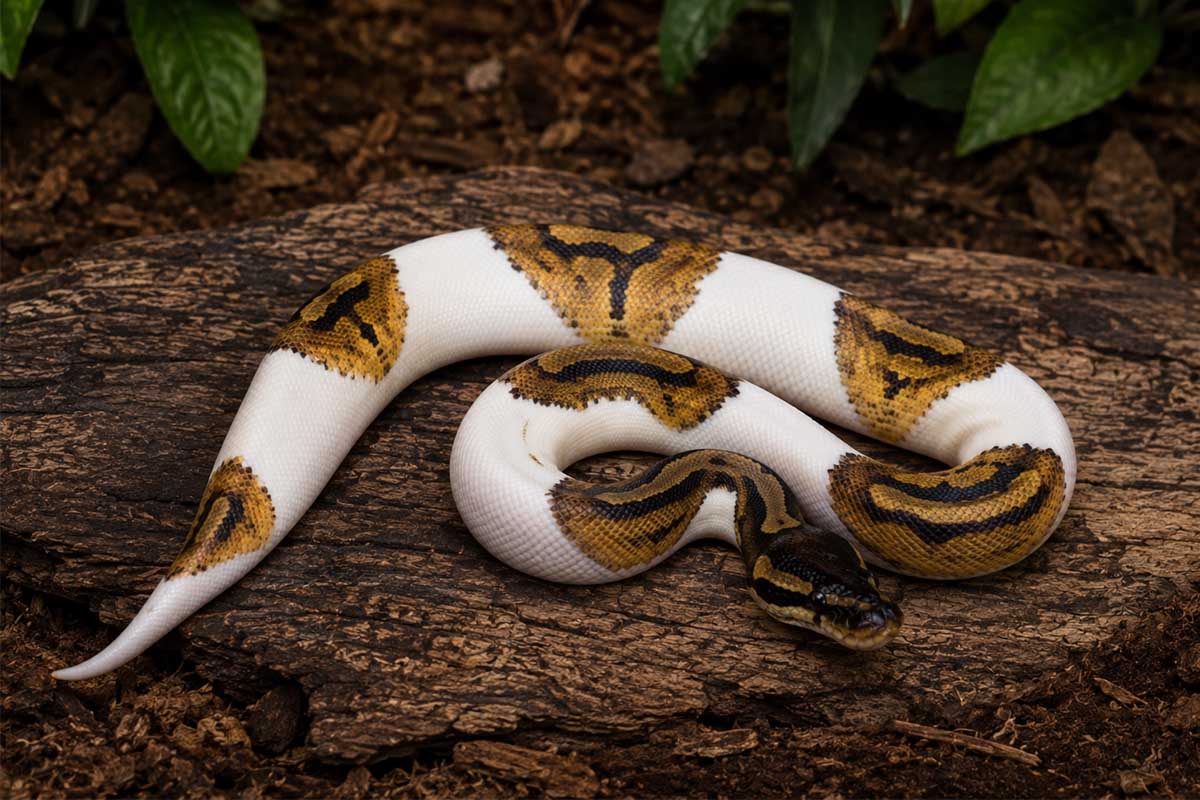
The Albino Clown Pied is exactly that kind of project. Roussis Reptiles has focused on this style of breeding for decades. The result is a catalog of snakes that would be difficult to reproduce quickly. That is why multiple recessive combinations are among the most valued rare ball python morphs on the market. Pied ball python pictured Some morphs never lose their appeal. Others climb in popularity as new combinations appear. The combos below are among the most requested by buyers right now.

Piebald and Pied Combinations Piebald ball pythons are a cornerstone of the hobby. The white patches and clean contrast make them easy to identify in any collection. XYZReptiles offers baby pied ball pythons for $199. Breeders also use piebald as a base for larger projects. Roussis Reptiles says it maintains the largest and most extensive selection of piebald morphs on the planet. One standout is the Albino Clown Pied, a triple recessive snake that combines albino color, clown pattern, and pied patches in a single animal.

Responsible Care Considerations

Every exotic pet has species-specific needs, so owners should confirm reliable care information before making changes to housing, nutrition, handling, or daily routines. Conditions that appear suitable for one species may be inappropriate for another.

A suitable habitat should provide appropriate space, environmental conditions, enrichment, access to clean water, and a safe area where the animal can behave naturally. Regular observation can also help owners notice changes that may require professional attention.

Why Research Matters

Responsible ownership begins with understanding the animal rather than relying on general advice alone. Keepers should use trustworthy species-specific resources and consult

Final Thoughts

Responsible exotic-pet ownership starts with research, proper preparation, and a commitment to the animal’s long-term wellbeing. Always consider the specific needs of the species and seek qualified professional advice when necessary.

For more practical guides and helpful information about exotic pets, continue exploring Exotic Nest.

Friday, 11 September 2026

Understanding Ball Python Morph Prices in 2026 | Exotic Nest

Welcome to Exotic Nest, your source for useful information about exotic pets, animal care, nutrition, behavior, habitats, and responsible pet ownership.

What Defines a Ball Python Morph?

A morph is a ball python that carries a specific genetic alteration affecting its coloration, pattern, or scale texture. Well‑known examples include the albino, piebald, and clown varieties. Breeders often combine several genes to produce striking new appearances that differ markedly from the wild‑type form. While all morphs are legally sold, their market values vary widely based on genetic complexity and rarity.

Current Price Landscape

In 2026, listings for captive‑bred ball python morphs typically start near $100 for the most basic single‑gene types and can exceed $900 for intricate multi‑gene combinations. For instance, a simple clown morph may be priced around $170, whereas a lavender pied specimen can approach the high‑end of the market. Prices fluctuate according to the seller, the animal’s hatch year, sex, and overall health.

Typical Price Ranges

  • Basic single‑gene morphs: $99 – $199
  • Two‑gene combinations (e.g., banana‑pied): $199 – $299
  • Three‑gene or specialty combos (e.g., pastel‑enchi‑clown): $300 – $600
  • High‑demand, complex morphs (e.g., lavender pied): $500 – $900

Key Drivers Behind Pricing

Understanding the factors that affect cost helps buyers make informed decisions.

  1. Genetic rarity: The fewer breeders that can reliably produce a particular gene stack, the higher the price. A banana‑Mojave (two genes) is usually cheaper than a triple‑gene banana morph.
  2. Number of genes combined: Each additional gene adds breeding difficulty and reduces the odds of a successful clutch, pushing the price upward.
  3. Sex of the snake: Female ball pythons are often priced higher because they can be used for future breeding projects.
  4. Hatch year and age: Freshly hatched 2026 animals are considered the newest stock and may command a premium over older juveniles or adults.
  5. Captive‑bred status and health: Reputable sellers who guarantee captive‑bred, parasite‑free animals typically charge more than sources that do not provide such assurances.
  6. Seller reputation and platform: Established breeders with a track record of healthy stock can set higher prices than lesser‑known sellers on large marketplaces.

Where to Compare Prices

Because listings can differ dramatically, it’s wise to browse several reputable outlets before committing. Major online retailers, specialized reptile shops, and regional breeders all maintain active inventories. Some well‑known names include XYZReptiles, Wilbanks Reptiles, Big Apple Herp, LLLReptile, and Jungle Bobs Reptile World. By checking at least three sources for the same morph, you gain a realistic sense of the market range.

Shipping Considerations and Guarantees

Shipping fees are usually listed separately and can range from $50 to $150 depending on distance and carrier. Certain vendors waive shipping for orders above a set threshold (for example, free delivery on purchases over $500). More importantly, look for a live‑arrival guarantee, which ensures a replacement or refund if the snake does not survive transit. Overnight shipping on specific weekdays is common practice to avoid weekend delays that could jeopardize the animal’s wellbeing.

Budgeting Tips for Prospective Owners

Follow these steps to stay within your financial limits while securing a healthy morph:

  • Set a total budget that includes both the animal’s price and estimated shipping.
  • Identify the desired morph and note its typical price range.
  • Check hatch year, sex, and captive‑bred confirmation in each listing.
  • Watch for promotional discounts or clearance sales that can lower the listed price by $50‑$100.
  • Prioritize sellers with verified customer reviews and a live‑arrival guarantee, even if their base price is slightly higher.

A modest increase in price for a trusted breeder often translates into better animal health and reduced risk during transport.

Frequently Asked Questions

Why do prices differ so much between sellers?

Each vendor sets rates based on inventory costs, breeding expenses, and business overhead. Differences in hatch year, sex, and the specific gene combination further influence the final figure.

Are discounts common for ball python morphs?

Yes. Many retailers run periodic sales or offer coupon codes that can reduce a $300 morph to under $200. Checking the “sale” or “clearance” sections can uncover significant savings.

Do listed prices usually include shipping?

Typically, shipping is an additional line item. Some sellers provide free shipping for larger orders, so always add the shipping cost to the animal’s price before comparing deals.

Is purchasing a ball python online safe?

Buying from a

Final Thoughts

Responsible exotic-pet ownership starts with research, proper preparation, and a commitment to the animal’s long-term wellbeing. Always consider the specific needs of the species and seek qualified professional advice when necessary.

For more practical guides and helpful information about exotic pets, continue exploring Exotic Nest.

A Responsible Owner’s Guide to Buying and Caring for Reptiles Online | Exotic Nest

Welcome to Exotic Nest, your source for useful information about exotic pets, animal care, nutrition, behavior, habitats, and responsible pet ownership.

Whether you are an experienced exotic-pet owner or learning about these fascinating animals for the first time, understanding their individual needs is essential. In this guide, we look at important information that can help pet owners provide a safer, healthier, and more suitable environment for their animals.

Why Research Matters Before You Click ‘Buy’

Purchasing a reptile through an online retailer expands the selection beyond local pet shops, but it also places the onus of due diligence squarely on the buyer. Start by learning the natural history of the species you’re interested in—size at maturity, lifespan, temperature and humidity needs, and typical diet. Reliable sellers will provide detailed care sheets, photos of the animal in its enclosure, and information about its health history. If any of these details are missing, ask for them before proceeding.

Evaluating Online Reptile Sellers

Look for retailers that are transparent about their breeding practices, quarantine procedures, and shipping methods. Positive indicators include:

  • Clear return or health guarantee policies.
  • Customer reviews that discuss animal condition upon arrival.
  • Evidence of regular veterinary checks or partnerships with reptile‑savvy veterinarians.

When a seller offers multiple payment methods—including digital wallets like Venmo—it can signal that they are keeping up with modern consumer preferences, but payment flexibility should never replace thorough research on animal welfare.

Preparing the Habitat Before the First Arrival

Reptiles are highly sensitive to their environment. Set up the enclosure at least a week in advance so temperature gradients, humidity levels, and lighting cycles can stabilize. Essential components include:

Temperature and Heat Sources

Most snakes and lizards require a warm side (typically 88–92°F) and a cooler side (around 75°F). Use thermostatically controlled heat mats or ceramic heat emitters to maintain consistent zones.

Humidity and Ventilation

Species such as ball pythons thrive at 50–60% humidity, while tropical arboreal lizards may need 70% or higher. A hygrometer and occasional misting can help achieve the right balance.

Lighting

UVB lighting is crucial for many diurnal reptiles, supporting calcium metabolism and preventing metabolic bone disease. Replace bulbs according to manufacturer recommendations, usually every six months.

Substrate and Hiding Spots

Choose a substrate that mimics the animal’s natural ground—coconut husk for forest dwellers, sand for desert species, or newspaper for quarantine setups. Provide at least one secure hide on each temperature side to reduce stress.

Nutrition: Feeding the Right Food at the Right Time

Diet varies dramatically among reptiles. Ball pythons are obligate carnivores, thriving on appropriately sized rodents. Tortoises are primarily herbivores, requiring a mix of leafy greens, grasses, and occasional fruits. Research the specific nutritional requirements of your species and source high‑quality feeder animals or plant matter. Supplements such as calcium with vitamin D3 are often necessary, especially for species that lack adequate UVB exposure.

Shipping Considerations and Quarantine

Even with careful handling, stress is inevitable during transport. Upon arrival, inspect the animal for signs of injury, dehydration, or respiratory issues. A short quarantine period—typically 30 days for snakes and 14 days for lizards—allows you to monitor health without exposing existing pets to potential pathogens. During quarantine, maintain the same environmental parameters you plan for long‑term care.

Using Digital Payments Safely

Modern payment platforms, including Venmo, Google Pay, and traditional credit cards, streamline the checkout process. When using a digital wallet, verify that the seller’s website employs secure (HTTPS) connections and that the payment option is clearly listed as “eligible” for the specific order. Keep records of the transaction, shipping confirmation, and any health guarantees provided. This documentation can be valuable if a dispute arises or if you need to return a sick animal.

Ongoing Care and Behavioral Enrichment

Reptiles are often perceived as low‑maintenance, but they benefit from regular interaction and environmental enrichment. For arboreal lizards, add branches and foliage to encourage climbing. For snakes, rotate hide locations and introduce scent trails using safe, natural items. Monitor feeding response, shedding patterns, and activity levels; deviations can signal health problems that require veterinary attention.

Responsible Ownership Checklist

  1. Research species‑specific needs thoroughly.
  2. Choose a reputable online seller with transparent health policies.
  3. Set up a complete, species‑appropriate habitat before the animal arrives.
  4. Plan for a quarantine period and have a reptile‑savvy vet identified.
  5. Use secure payment methods and retain all transaction records.
  6. Provide a balanced diet with appropriate supplements.
  7. Offer environmental enrichment and monitor behavior regularly.

By following these steps, you can enjoy the excitement of acquiring a new reptile online while ensuring the animal’s health, welfare, and long‑term happiness. Responsible preparation turns a simple purchase into a lifelong, rewarding partnership with your exotic companion.

Source: www.xyzreptiles.com

Read the original source

Final Thoughts

Every exotic pet has unique care requirements, behavior, nutritional needs, and environmental preferences. Responsible ownership means learning about the species and providing appropriate care throughout its life.

For more exotic-pet care guides, animal information, habitat advice, nutrition tips, and responsible pet ownership information, keep visiting Exotic Nest.

Saturday, 3 January 2026

Frilled Lizard Care Guide: Facts, Diet, Habitat & Pet Tips


Why Frilled Lizards Are Not for Beginner Pet Owners 

The Frilled Lizard is one of the most fascinating reptiles in the world, instantly recognizable by the large frill around its neck. Native to Australia and New Guinea, this unique reptile has become increasingly popular among exotic pet enthusiasts. However, keeping a frilled lizard as a pet requires proper knowledge, space, and commitment. In this guide, we’ll explore everything you need to know about the frilled lizard, including its habitat, behavior, diet, and complete care requirements as a pet.

What Is a Frilled Lizard?

The Frilled Lizard (Chlamydosaurus kingii) is a medium to large arboreal lizard best known for its dramatic frill. When threatened, it opens its mouth and expands the frill to appear larger and scarier to predators. This defense display makes it one of the most iconic reptiles in the animal kingdom.

Frilled lizards can grow up to 35 inches long, including their tail, and typically live 10–15 years in captivity when cared for properly.

Natural Habitat and Behavior

In the wild, frilled lizards live in tropical forests, savannas, and woodlands of northern Australia and southern New Guinea. They are arboreal, meaning they spend much of their time in trees. These lizards are diurnal (active during the day) and prefer warm climates with moderate to high humidity.

Despite their intimidating appearance, frilled lizards are generally shy and non-aggressive. They prefer to flee rather than fight and rely on their frill mainly for defense.

Can Frilled Lizards Be Kept as Pets?

Yes, frilled lizards can be kept as pets, but they are best suited for experienced reptile keepers. Their large size, specific environmental needs, and sensitivity to stress make them challenging for beginners. Before getting one, always check local wildlife and exotic pet laws, as ownership may be restricted in some regions.

Frilled Lizard Housing Requirements

Proper housing is crucial for a healthy frilled lizard.

Enclosure Size

A tall and spacious enclosure is required. The minimum recommended size is:

  • 6 ft tall x 4 ft wide x 3 ft deep

Vertical space is more important than floor space due to their tree-dwelling nature.

Temperature and Lighting

  • Basking temperature: 100–110°F (38–43°C)

  • Ambient temperature: 80–90°F (27–32°C)

  • Night temperature: Not below 75°F (24°C)

UVB lighting is essential for calcium absorption and bone health. Use a high-quality UVB bulb and replace it every 6–12 months.

Humidity

Maintain humidity levels between 60–70%. Mist the enclosure daily and provide live plants or a humidity box.

Diet and Feeding

Frilled lizards are omnivores, though juveniles are more insect-focused.

Insects

  • Crickets

  • Dubia roaches

  • Mealworms

  • Superworms

Plant Matter

  • Leafy greens (collard greens, mustard greens)

  • Vegetables (squash, carrots)

  • Occasional fruits (papaya, berries)

Dust insects with calcium and vitamin D3 supplements 2–3 times per week to prevent metabolic bone disease.

Handling and Temperament

Frilled lizards do not enjoy frequent handling. Excessive handling can cause stress, leading to appetite loss or illness. If handling is necessary, keep it minimal and gentle. Over time, some individuals may become tolerant of limited interaction.

Common Health Issues

Some common health problems include:

  • Metabolic Bone Disease (due to lack of UVB)

  • Dehydration

  • Respiratory infections

  • Parasites

Regular check-ups with a reptile veterinarian are highly recommended.

Pros and Cons of Keeping a Frilled Lizard

Pros

  • Unique and visually stunning

  • Long lifespan

  • Fascinating natural behavior

Cons

  • Large enclosure required

  • Sensitive to stress

  • Not ideal for beginners

  • Expensive setup and maintenance

Final Thoughts

The Frilled Lizard is an extraordinary reptile that can make an impressive pet for the right owner. With proper care, a suitable enclosure, and a balanced diet, these reptiles can thrive in captivity. However, due to their complex needs, they are best suited for dedicated and experienced reptile keepers. If you’re ready for the responsibility, owning a frilled lizard can be a truly rewarding experience.


❓ Are frilled lizards good pets for beginners?

Frilled lizards are not ideal for beginners. They require large enclosures, precise temperature control, UVB lighting, and minimal handling to avoid stress.

❓ How long do frilled lizards live in captivity?

With proper care, frilled lizards can live 10 to 15 years in captivity.

❓ What do frilled lizards eat?

Frilled lizards eat insects like crickets and roaches, leafy greens, vegetables, and occasional fruits. Supplements are essential for good health.

❓ Do frilled lizards like to be handled?

No, frilled lizards generally do not enjoy handling. Too much handling can cause stress and health problems.

❓ How big does a frilled lizard enclosure need to be?

An adult frilled lizard needs a tall enclosure at least 6 feet high, with branches for climbing.


frilled lizard care, frilled lizard as pet, frilled lizard pet care, frilled lizard care guide, frilled lizard habitat, frilled lizard enclosure, how to care for a frilled lizard, frilled lizard diet, frilled lizard food list, frilled lizard enclosure size, frilled lizard temperature requirements, frilled lizard humidity needs, frilled lizard lifespan in captivity, frilled lizard behavior, frilled lizard handling, is a frilled lizard a good pet, how big do frilled lizards get, frilled lizard care for beginners, frilled lizard enclosure setup, what do frilled lizards eat as pets, frilled lizard UVB lighting requirements, frilled lizard basking temperature, frilled lizard health problems, are frilled lizards good pets, how long do frilled lizards live, do frilled lizards bite, can frilled lizards be handled, how often should you feed a frilled lizard, exotic reptile pets, arboreal lizard species, reptile enclosure setup, UVB lighting for reptiles, reptile calcium supplements, tropical reptile habitat