
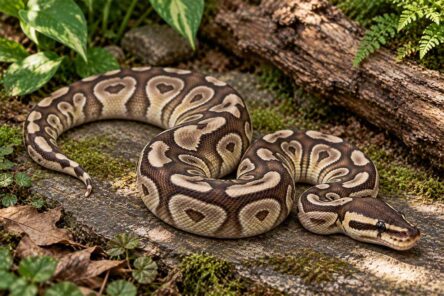
Understanding Ball Python Morph Genetics
Ball pythons (Python regius) are renowned for the astonishing variety of colors and patterns they can display. This diversity results from a complex but logical set of genetic rules that breeders have studied for decades. Knowing how these rules work helps owners make informed decisions, avoid unwanted health issues, and contribute to the long‑term welfare of the species.
What Is a Morph?
A “morph” describes any visible deviation in color, pattern, or both that originates from a mutation in a specific gene. Classic examples include Albino, Piebald, and Clown. A single snake may carry several morphs at once, and breeders often combine them to produce new visual effects. While the hobby uses the terms “morph” and “gene” interchangeably, they are not the same.
Genes, Alleles, and Inheritance Basics
Each gene occupies a fixed location on a chromosome. An alleleis a particular version of that gene’s instructions. The visual appearance of a snake—its morph—is the expression of one or more alleles. For instance, the Mojave and Lesser morphs are different alleles of the same gene; each produces a distinct pattern even though they share the same genetic spot.
Every ball python inherits two copies of each gene—one from the mother and one from the father. How these two copies interact determines whether a trait is visible. This interaction follows the classic dominant‑recessive model, though some traits involve multiple genes (polygenic traits).
Dominant vs. Recessive Mutations
Dominant mutationsrequire only a single copy to be expressed. The Pinstripe morph is a well‑known dominant trait; whether a snake is homozygous (two copies) or heterozygous (one copy), the striping appears.
Recessive mutationsneed two copies—one from each parent—to show. A snake that carries a single recessive allele looks normal but can pass the allele to its offspring. When two carriers are bred together, some of the hatchlings may receive both copies and display the recessive morph. This explains why a single pairing can produce a mix of normal and morph‑bearing babies.
Alleles of the Same Gene
When two different alleles of the same gene are paired, each parent contributes its own version. The offspring may inherit a combination that results in a phenotype different from either parent. Because of this, it is essential to verify whether two morphs share a gene before planning a pairing; otherwise, the expected outcome may not occur.
Polygenic Traits
Not all characteristics follow a simple one‑gene rule. Polygenic traits, such as Genetic Black Back and Genetic Reduced, require several genes to align for the trait to appear. These traits are rarer and harder to predict, demanding meticulous record‑keeping and patience from the breeder.
Health and Behavioral Considerations
Some genetic lines are linked to undesirable side effects. Documented concerns include:
- The “wobble,” a neurological gait abnormality.
- Eye defects that can affect vision.
- Spinal kinking in certain offspring.
- Reduced female fertility or skewed sex ratios.
- Lethal gene combinations that result in non‑viable embryos.
These issues are not present in every morph, but responsible owners should research each line before acquiring or breeding a snake.
Genetic Testing: Confirming What Your Snake Carries
Visual identification alone can be misleading, especially when different morphs look similar or when a snake carries hidden recessive alleles. DNA testing removes the guesswork, confirming which alleles are present and what the animal can pass to its progeny. Many reputable breeders use testing to maintain accurate records and to avoid unintended health problems.
Practical Advice for Buyers and Breeders
1. Learn the basics.Understand whether a morph is dominant or recessive and whether it shares a gene with other morphs.
2. Ask about health history.Reputable sellers should be able to discuss any known wobble, eye, or fertility issues linked to the line.
3. Request genetic test results.When available, testing documentation provides confidence that you know exactly what genes your snake carries.
4. Plan pairings carefully.Use knowledge of allele interactions to predict outcomes and to avoid lethal combinations.
5. Keep detailed records.Tracking each snake’s genetic profile helps you make better breeding decisions over time.
Conclusion
Ball python morph genetics may appear daunting, but the core concepts—genes, alleles, dominant and recessive inheritance, and the occasional polygenic trait—are straightforward. By mastering these


0 comments:
Post a Comment